

Implications of the Brydon Carse Player-Betting Ban
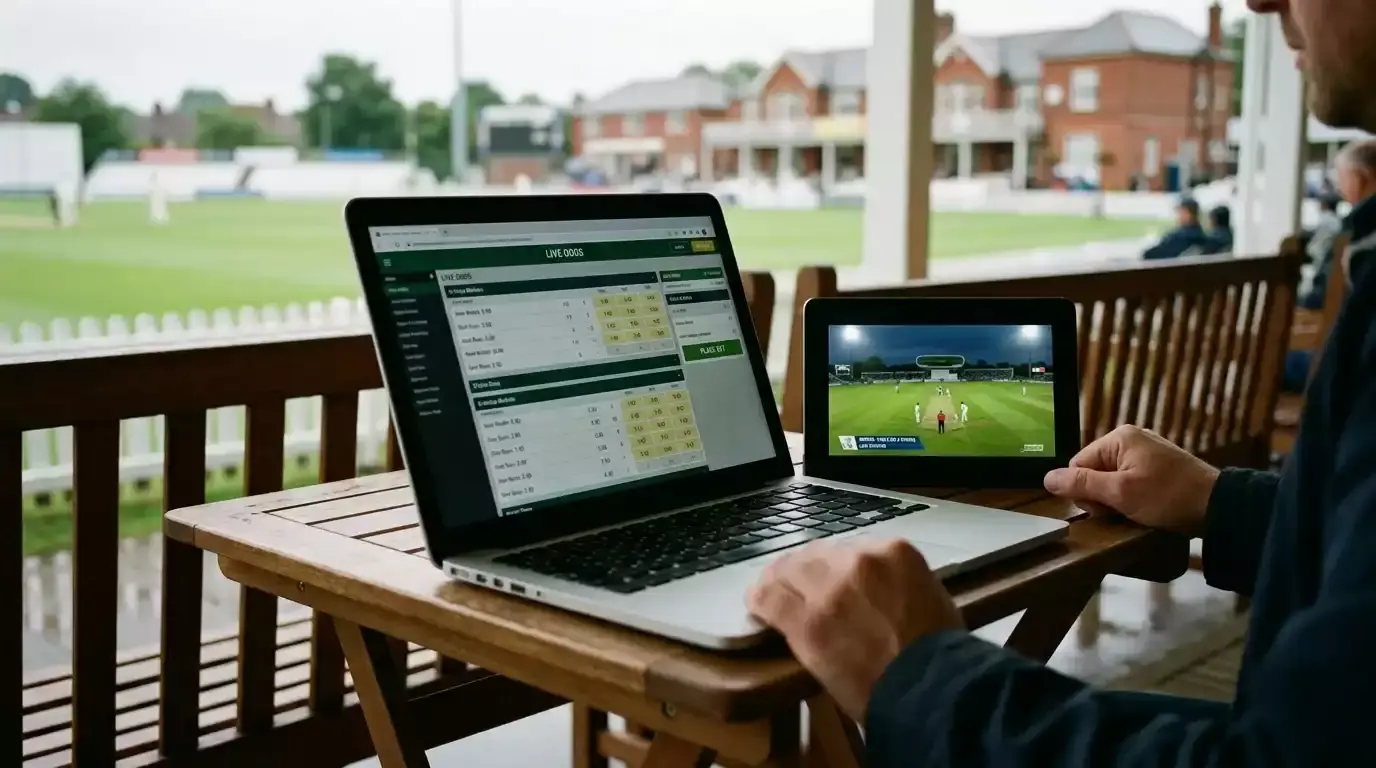
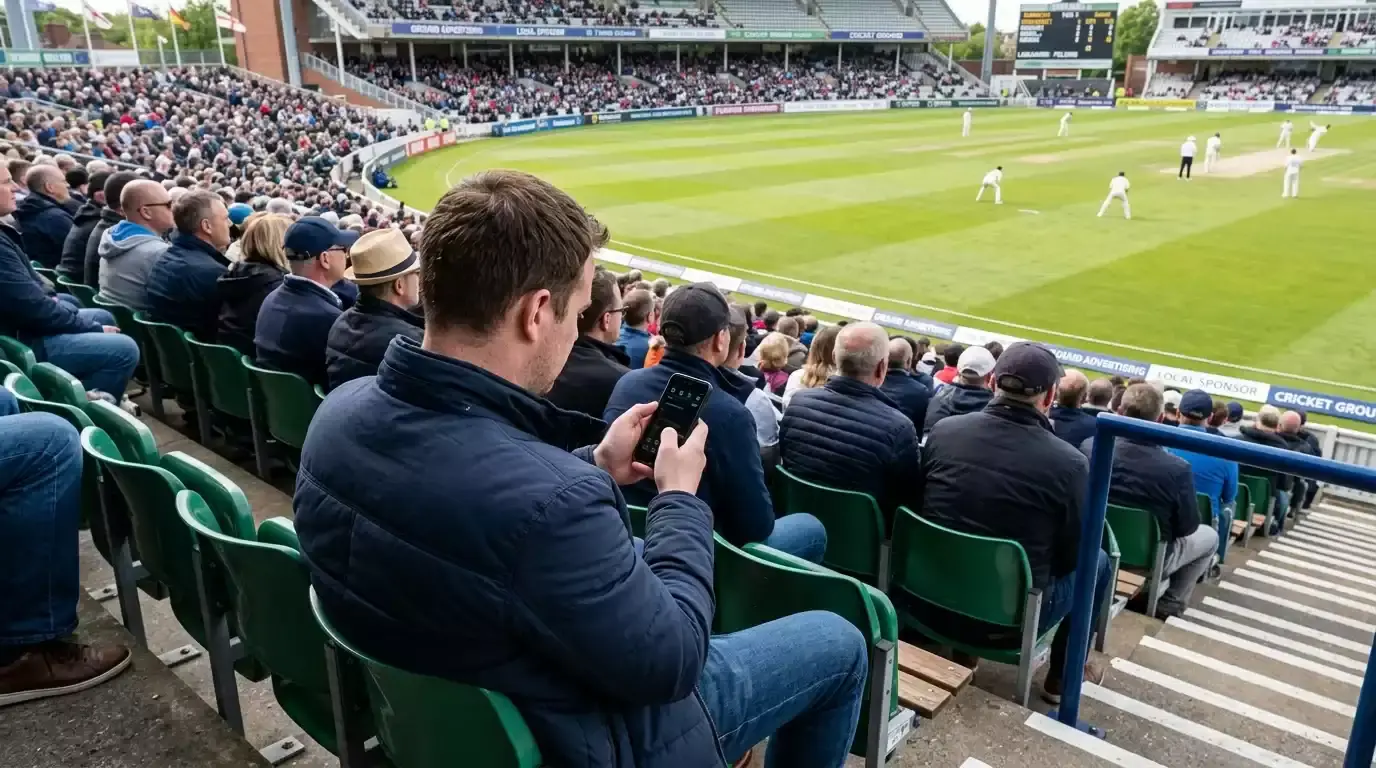
I tested this once at a Vitality Blast match at The Oval. Stadium, in person, ball-by-ball view of the live action. I had my phone open with the in-play market on a UK sportsbook. The phone’s price-update for a wicket came roughly 4 to 5 seconds after the umpire’s finger went up. The same wicket, on the official broadcast streamed to a TV in the hospitality bar behind me, registered around 10 seconds after the on-field event. The in-play console was 5 seconds quicker than the broadcast stream, and the broadcast stream was 5 seconds slower again than the actual delivery. The gap is real, it’s measurable, and it costs in-play punters expected value on every quick-decision market.
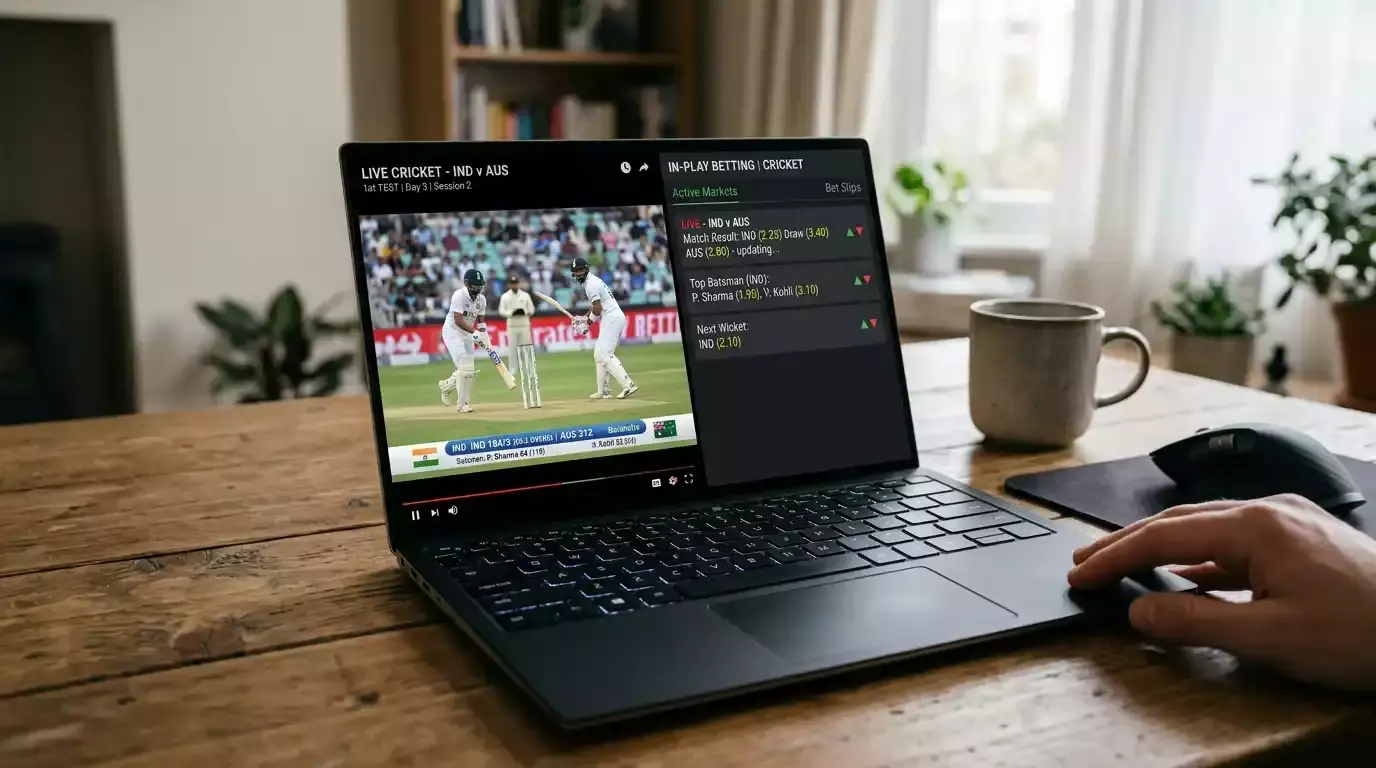
This isn’t a niche issue. 95 percent of UK online gambling activity happens from home, with 76 percent of 18-to-24-year-olds using mobile for their gambling — and the home stream-watching plus mobile-betting workflow is the dominant pattern. Every one of those workflows is operating on a delayed information signal compared to what the book’s pricing engine has access to. The disciplined punter understands this gap and adjusts behaviour accordingly. The punter who doesn’t understand it bets reactively against a market that’s already moved.
Where Latency Comes From: Broadcast Chain, CDN, Operator Buffer
Stream latency isn’t a single delay; it’s the sum of several. The first source is the broadcast chain itself. The camera captures the action, the broadcast truck processes the signal, the production gallery cuts between cameras and adds graphics, the satellite uplink sends the signal to the broadcaster’s hub, the broadcaster encodes for delivery. This chain adds anywhere from 6 to 12 seconds before the signal leaves the broadcaster’s facility, depending on the production complexity.
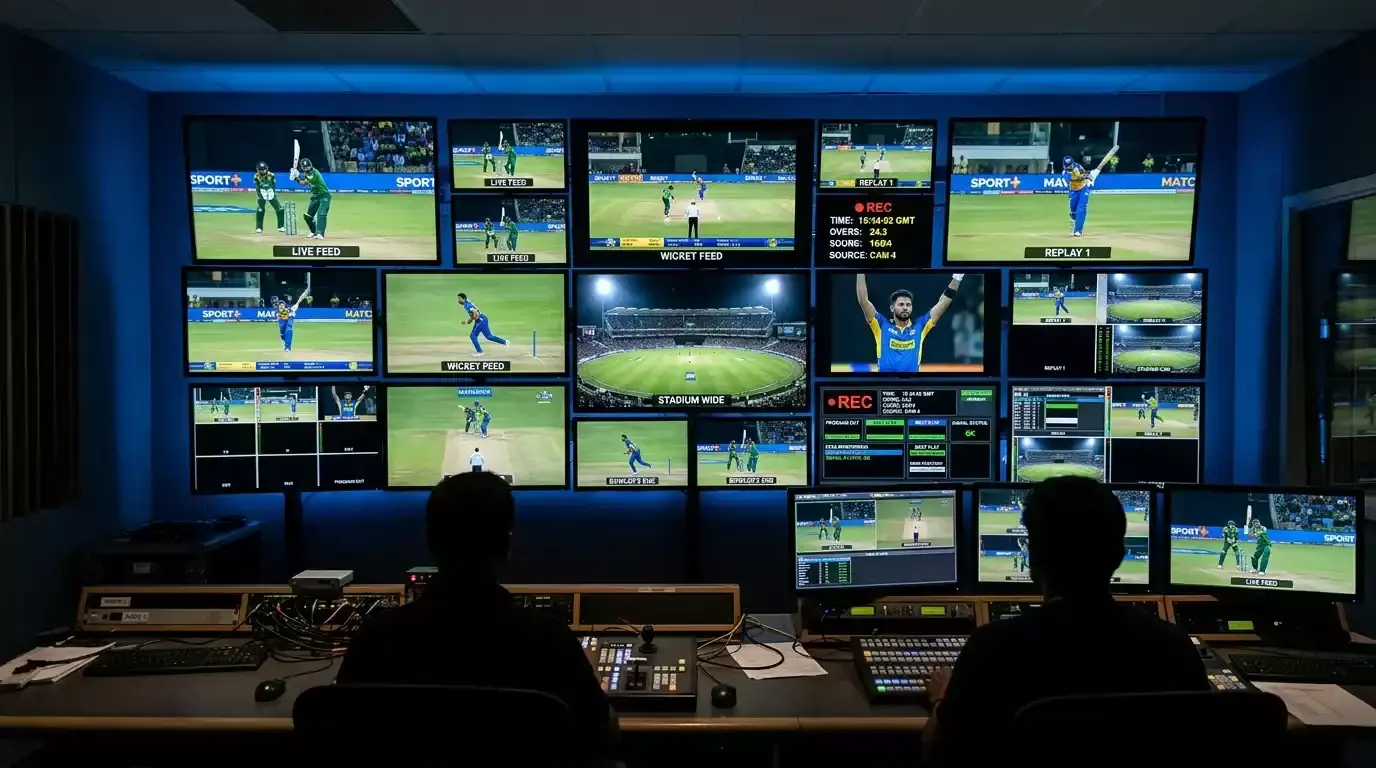
The second source is the content delivery network. Once the broadcaster’s facility releases the signal, it’s distributed across CDN infrastructure to reach end users. CDN delivery adds 3 to 8 seconds depending on geographical distance, network conditions, and the specific CDN technology in use. Live streams use protocols like HLS or DASH that segment the video into chunks, and each chunk has to be encoded, distributed and played back, with buffer time built in.
The third source is the operator buffer — the streaming service’s own buffer to ensure smooth playback. Streaming services prioritise quality of experience over absolute latency, which means they buffer typically 5 to 15 seconds of content ahead of the playback position to avoid stuttering. The buffer trades latency for stability, and most user-facing streaming products favour the stability side of that trade-off.
The combined latency from on-field action to your screen typically sits between 15 and 30 seconds for standard broadcast streams. The book’s pricing engine, by contrast, gets its information through direct data feeds — official scoring services, in-stadium data providers, and live odds feeds from companies like Sportradar that monitor over 7,000 pre-match and live cricket matches a year through their cricket product. Those feeds operate at sub-second latency from on-field action, which means the book’s pricing engine has 15 to 30 seconds of advance information compared to what you’re seeing on your stream.
Typical Delays Across UK-Available Cricket Streams
The latency picture varies across the cricket-streaming options available to UK viewers. Pay-TV broadcasts via traditional satellite or cable infrastructure tend to be the fastest, with end-to-end delays in the 6-to-10-second range for major cricket broadcasts. The shorter delay reflects the more direct distribution chain — fewer hops between source and screen, less aggressive buffering on the consumer device.
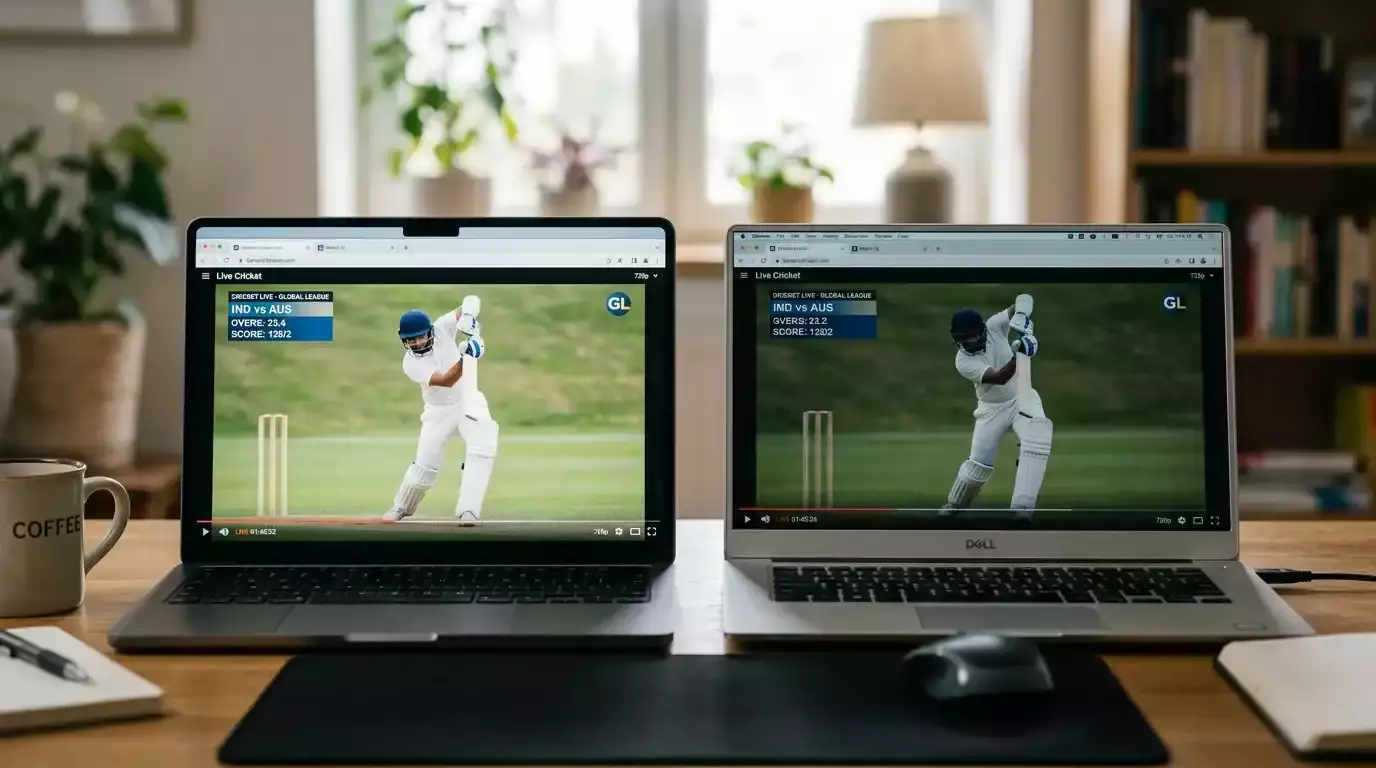
Streaming services via Internet Protocol — including the streaming products of UK broadcasters and international cricket boards’ direct-to-consumer services — typically operate at 15 to 25 seconds of latency. The longer delay reflects the additional encoding, distribution and buffering required for IP-based delivery. The user experience is usually visually equivalent to broadcast TV, but the timing gap is meaningful for in-play betting purposes.
Illegal streams — discussed in the broader integrity context where 1.6 billion illegal stream views were recorded across UK top-10 sports in H1 2025 — typically operate at 30 to 60 seconds of latency. The extra delay comes from the additional hops in the unauthorised distribution chain. For an in-play punter, using an illegal stream is a structurally worse position than using a legal one, even before considering the broader concerns around malware and offshore advertising that those streams carry.
Mobile streaming via 4G or 5G connections is typically 2 to 5 seconds slower than the equivalent wired connection because of the radio access network adding to the chain. The “mobile penalty” is consistent across UK networks and across major streaming providers. A user on a stable wired connection at home has a latency advantage over the same user watching on their phone on the train, and the gap is sometimes wide enough to matter for in-play decisions.
Courtsiding: Why In-Stadium Punters Have an Information Edge
The information gap created by streaming latency is what makes “courtsiding” — having someone physically at the venue feeding ball-by-ball information to a remote punter — a real practice rather than a theoretical concept. A courtsider transmits information faster than the broadcast and CDN delivery chain can, which means a punter operating on a courtsider’s signal has roughly 10 to 30 seconds of information advantage over a punter relying on a stream.
The economic value of that information advantage scales with the in-play volatility of the market. Match-winner markets that change slowly across an innings produce modest opportunity from courtsiding. Quick-decision markets — next over runs, ball-by-ball outcomes, immediate post-wicket repricing — produce significant opportunities, because the difference between betting at the pre-event price and the post-event price can be 20 to 40 percent in implied probability terms.
Courtsiding sits in an awkward regulatory space. Sportsbooks discourage the practice through their terms of service, with most operators reserving the right to void bets where they identify courtsiding behaviour. Cricket grounds typically include terms of admission that prohibit ball-by-ball transmission for commercial purposes, with security teams trained to spot and remove suspected courtsiders. The practical reality is that courtsiding still occurs, particularly at major fixtures, although the operational difficulty has increased as venue security has tightened and book detection algorithms have improved.
Mobile vs Desktop: Why 18-to-24s Bet Slower Than They Think
The demographic data is unambiguous: 76 percent of UK 18-to-24-year-old gamblers use mobile devices for betting. That cohort thinks of themselves as fast, mobile-native operators in a world built for their generation. The actual latency arithmetic tells a different story. Mobile streaming plus mobile betting introduces an additional combined latency of around 8 to 12 seconds compared to a wired-connection desktop user with the same workflow.

The reasons split between the streaming side and the betting side. Mobile streaming latency was discussed above. The betting side of the workflow adds latency too — touch-screen interactions are slower than mouse-and-keyboard for entering specific stake sizes, switching between markets, and confirming bets. Mobile apps have additional buffering and confirmation flows designed to reduce mis-tap errors, which protect the user but slow down the cycle from decision to bet placement.
The combined effect is that the demographic that uses mobile most heavily is operating on the slowest version of the betting workflow. For an in-play bet that requires reacting to a wicket or a boundary within seconds, the mobile user is structurally disadvantaged compared to the desktop-and-wired-connection alternative. The advantage isn’t measured in headline price terms — both users see the same price when they look — but in the ability to act on a price before the market repositions, which is where most in-play EV is captured or surrendered.
The mechanics of exiting an in-play position before latency catches up with a bad bet sit in my piece on cash out on cricket bets and when it actually makes sense.
