
County Team Compliance with ECB Sponsorship Rules
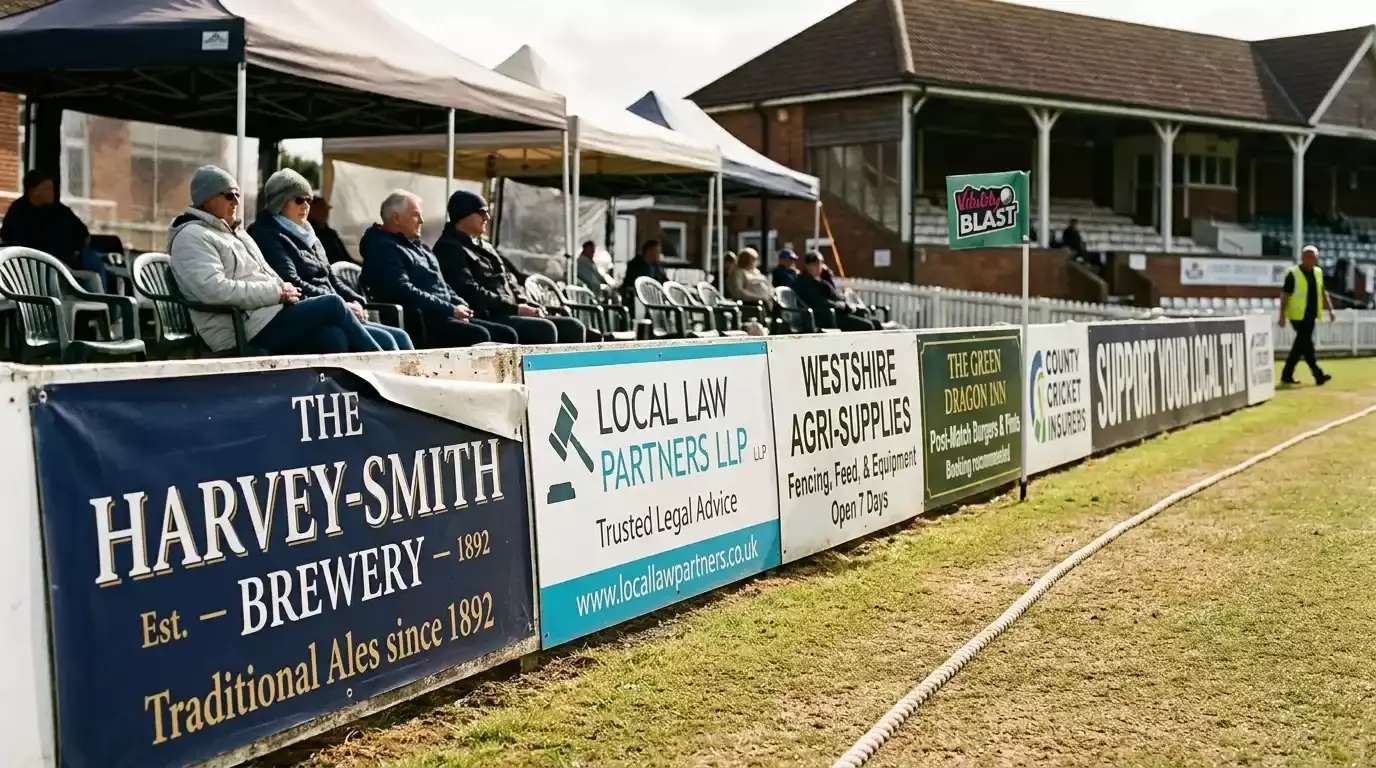
The 2025 season opener at Edgbaston had a different look around the perimeter to the season before. Some familiar gambling brand boards were gone. Others had reshaped their messaging into something that looked more like a public information notice than an advertisement. The reason wasn’t a single commercial shift. It was the implementation date of the ECB’s Code of Conduct on gambling sponsorships, effective from the start of the 2025 professional season and binding on every Professional County Club and Hundred team in English cricket.

“The Code of Conduct signifies a strong commitment to balancing commercial partnerships with gambling companies while protecting the integrity of cricket. By reinforcing responsible sponsorship practices, the code seeks to safeguard both the sport and its community from potential gambling-related risks,” the England and Wales Cricket Board said in its formal statement on the Code. The language is careful — it doesn’t ban gambling sponsorship, it conditions it on four principles that reshape how the commercial relationship works in practice.
The Four Pillars: Reinvestment, Integrity, Social Responsibility, Reporting
The Code is structured around four substantive pillars. The first is reinvestment in sport. Any gambling brand entering a sponsorship arrangement with a county club or Hundred team must demonstrate that a portion of the partnership value will be reinvested into cricket-related causes — youth development, grassroots programmes, integrity infrastructure, or similar. The reinvestment percentage isn’t fixed in the code but is expected to be material, with the relevant proportions agreed on a partnership-by-partnership basis.

The second pillar is integrity safeguards. Gambling brand partners are required to participate in the integrity infrastructure rather than sit outside it. This includes information-sharing arrangements where the brand’s market intelligence about suspicious betting patterns is made available to ECB and ICC investigators. The brand must also agree to operational practices that don’t create conflict-of-interest scenarios — for example, restrictions on offering markets on the county team they sponsor that could be perceived as compromising integrity.
The third pillar is social responsibility. Sponsored boards, kit branding and stadium messaging must include responsible-gambling content alongside any promotional content. The exact format varies, but typically a meaningful share of the visual real estate is given over to “when the fun stops, stop” messaging, GamCare references, GamStop information, or similar harm-reduction content. The intent is that visibility for the brand is paired with visibility for the harm-reduction infrastructure.
The fourth pillar is reporting. Every sponsorship arrangement between a gambling brand and an ECB-sanctioned cricket entity must be reported to the ECB within 14 days of being agreed. The reporting includes the commercial terms, the integrity arrangements, and the responsible-gambling content commitments. The ECB maintains a central register of these arrangements that informs the broader oversight work and provides transparency about the scope of gambling-cricket commercial relationships.
Licensing Requirement: UKGC or White-Label Only
The Code restricts eligible sponsorship partners to brands holding a UK operating licence from the Gambling Commission, or operating under a white-label arrangement with a UKGC-licensed partner. The restriction exists for accountability reasons. A UKGC licensee is subject to the regulator’s enforcement powers, which means breaches of the Code can be addressed through both ECB and UKGC channels. An offshore-only operator has no such accountability, which is why such brands are excluded from cricket sponsorship under the Code.

The white-label provision allows international brands to partner with English cricket through a UKGC-licensed intermediary that holds the formal licence and the contractual relationship with the cricket entity. This route is used by several non-UK brand groups that want exposure to the English cricket audience without the operational footprint of holding a direct UK licence. The white-label partner takes the regulatory accountability; the international brand provides the commercial muscle.
The licensing restriction has had measurable effect on the commercial market. Several offshore-focused operators that had been part of the cricket sponsorship landscape pre-Code have either exited or restructured into white-label arrangements. The net effect for English cricket is that the brands appearing on boards, kits and stadium signage are now all directly or indirectly under UKGC regulation, with the accountability that implies.
The 14-Day Reporting Window in Practice
The reporting requirement has operational consequences that the high-level summary doesn’t capture. Sponsorship deals in professional cricket typically take months to negotiate. The 14-day window applies from the date of formal agreement, not from the start of negotiations, so most of the negotiation period sits outside the reporting window. But the moment the contract is signed, the clock starts.

The report itself is a structured submission that covers the parties, the commercial terms in summary form (specific financial values can be redacted in the public register), the integrity arrangements, and the responsible-gambling content commitments. The ECB acknowledges receipt within a working week and maintains the entry on the central register from that point. Late filings — where a deal is signed but not reported within 14 days — trigger a formal request for explanation, and persistent late filing can trigger broader compliance action.
The mechanics in practice work better than the legalistic description suggests. Most counties and Hundred teams have built reporting into their commercial workflow, with the compliance officer for the team filing the report as a standard step in finalising any new sponsorship deal. The administrative burden is modest, and the transparency benefit is real — public commentary on cricket sponsorship is now informed by an accessible register rather than fragmented announcements from individual clubs.
Where Non-Gambling Brands Now Sit: The Vitality Example
The shift toward non-gambling brands as headline cricket partners is one of the visible market effects of the Code’s implementation. Vitality, the health insurer, became the title partner of the Vitality Blast and the back-of-shirt partner of the England national kit through the 2025-26 Ashes, with the partnership extended to 2026. The deal sits in a different commercial category to a gambling brand sponsorship — no Code applies to non-gambling brands — and the visibility profile reflects that.
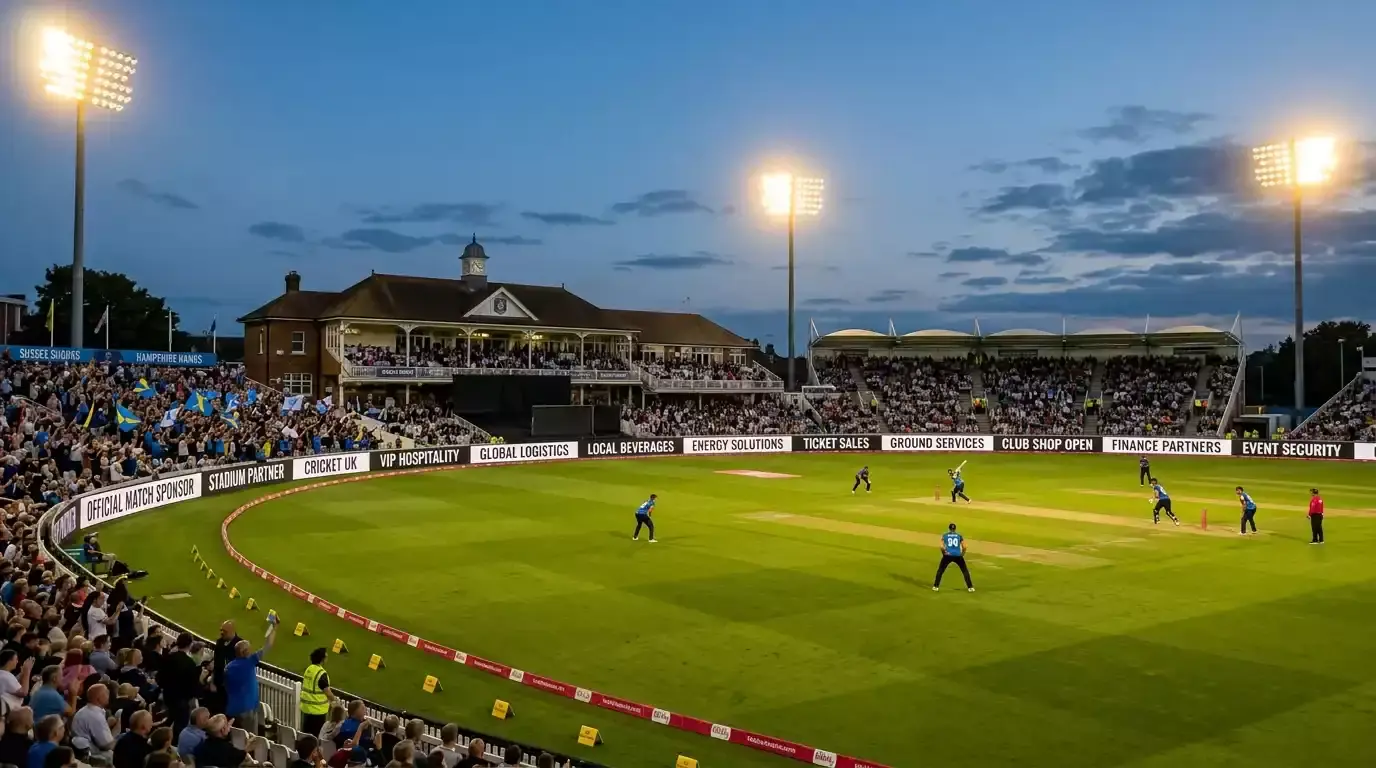
The Vitality partnership doesn’t mean gambling brand presence has been eliminated from English cricket. Gambling brands continue to feature on perimeter boards, county shirts, and stadium signage under arrangements compliant with the Code. The shift is in the headline tier — title partnerships for marquee competitions and the most prominent kit branding have migrated toward non-gambling brands, while gambling brands occupy the secondary tiers under the constraints the Code imposes.
The commercial economics of this shift are mixed. Non-gambling title partners typically pay less in headline terms than gambling brands would pay for equivalent exposure, but the partnerships come without the regulatory friction and the reputational complexity that gambling sponsorship now carries. For most cricket entities, the trade-off has settled on the side of non-gambling headline partners with gambling brands in compliant secondary roles — a configuration that the Code didn’t mandate but that the Code’s structural effects have produced as the market response.
The disciplinary body that enforces the Code and handles related compliance matters is the subject of my piece on the ECB Cricket Regulator and its independent watchdog structure.
