

Adjusting Pricing Models for 100-Ball Cricket Formats
The first season of The Hundred broke my T20 instincts twice in the same evening. The first time was when a bowler delivered a 10-ball spell from one end — two sets of five back-to-back — and I realised the run-rate maths I’d built for T20 didn’t transfer cleanly. The second was when I tried to price an in-play total at the halfway mark and the resource-allocation logic of the format produced a number I didn’t trust. Three seasons in, the format has settled into a stable betting product, but the structural differences from T20 still catch out punters who treat it as “like T20 but shorter”.
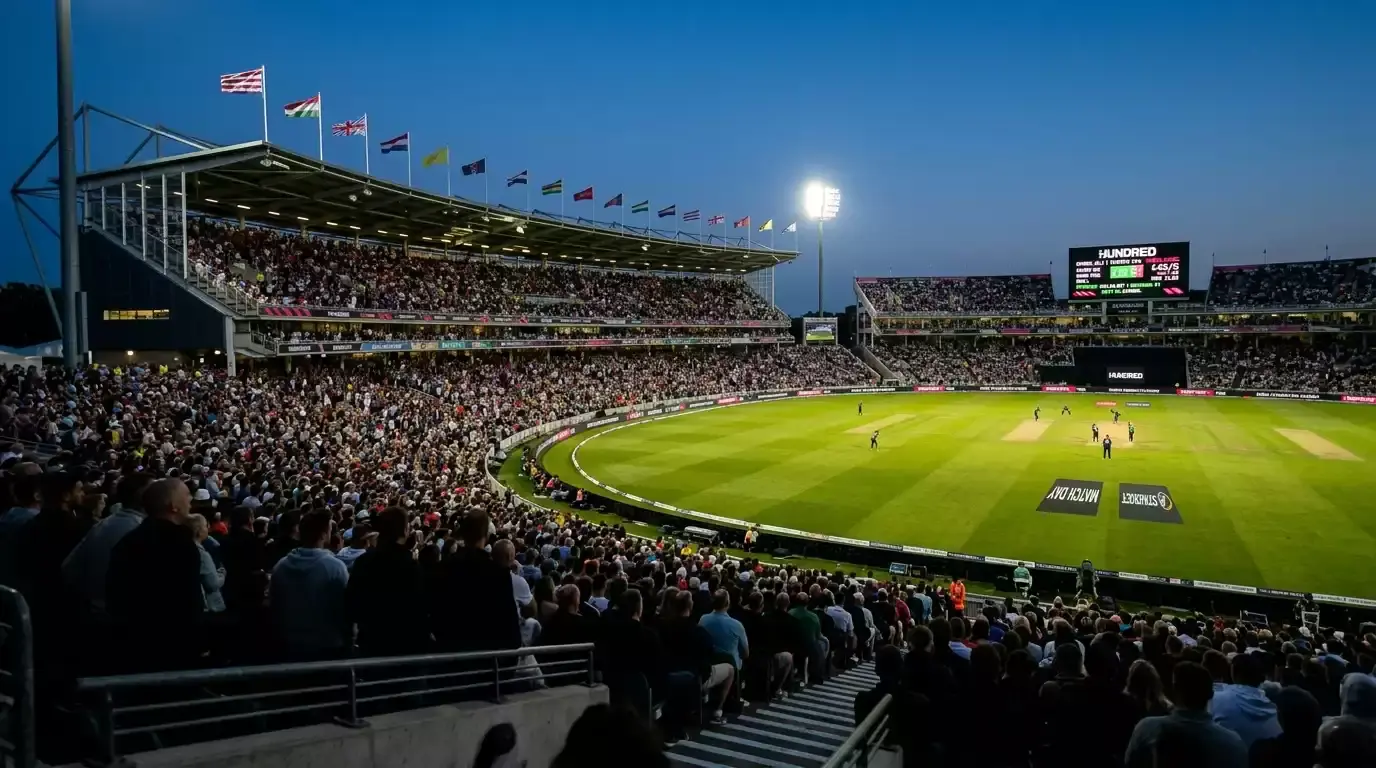
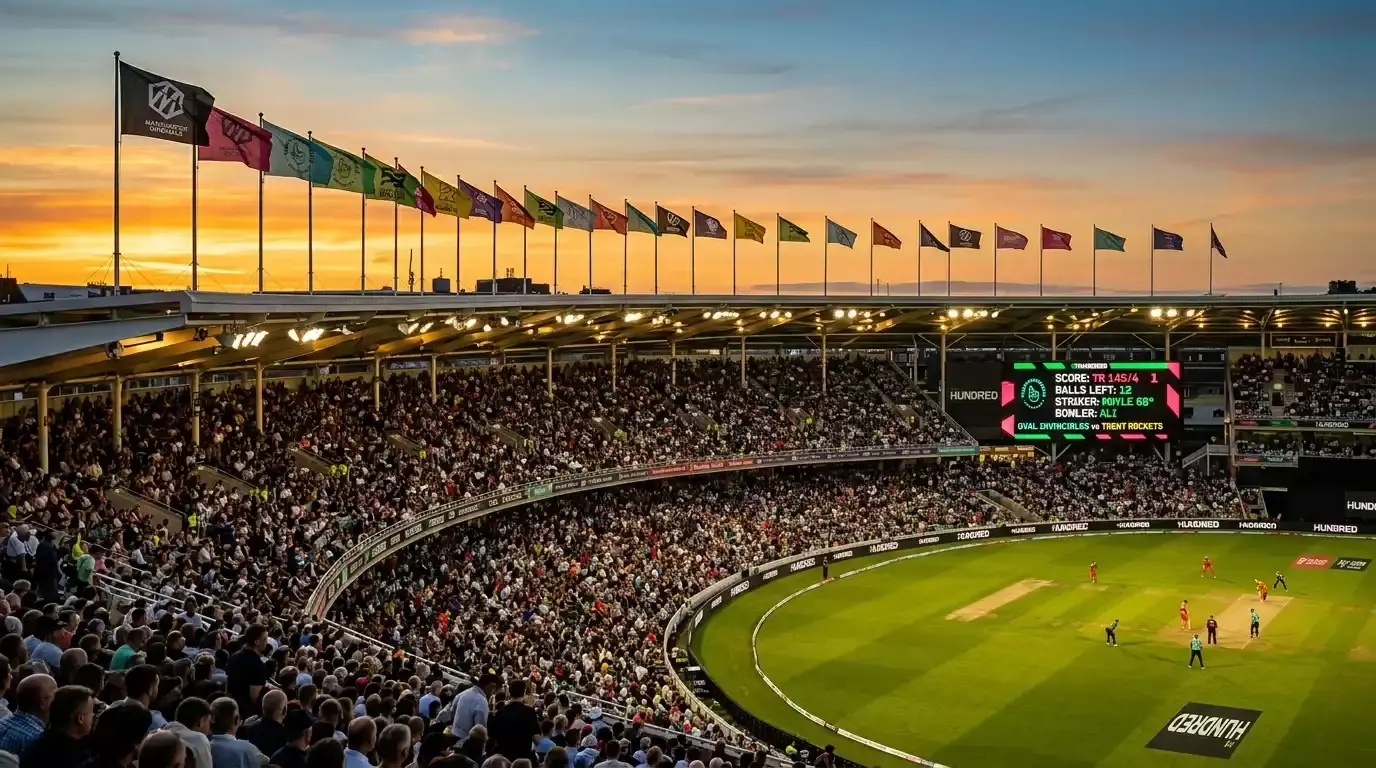
The Hundred runs eight franchise teams across a four-week window in August. Each innings is 100 balls, delivered in sets of five rather than traditional overs. A bowler can bowl up to 20 balls in an innings, either as a single 10-ball spell or as two five-ball sets at different points. The structure produces different captaincy decisions, different bowling rhythms, and different scoring patterns to T20 — all of which feed into the betting markets in ways the books are still calibrating across season-to-season data.
Format Rules That Affect Pricing
The five-ball set is the critical structural feature for betting purposes. In T20, an over is six balls bowled by the same bowler, and the captain decides who bowls at the start of each over. In The Hundred, the captain has the option to call for a switch in the middle of a 10-ball block — the bowler delivers a five-ball set, then either continues for another five or hands over to a different bowler. The flexibility changes how bowling resources are allocated and how middle-overs control is achieved.
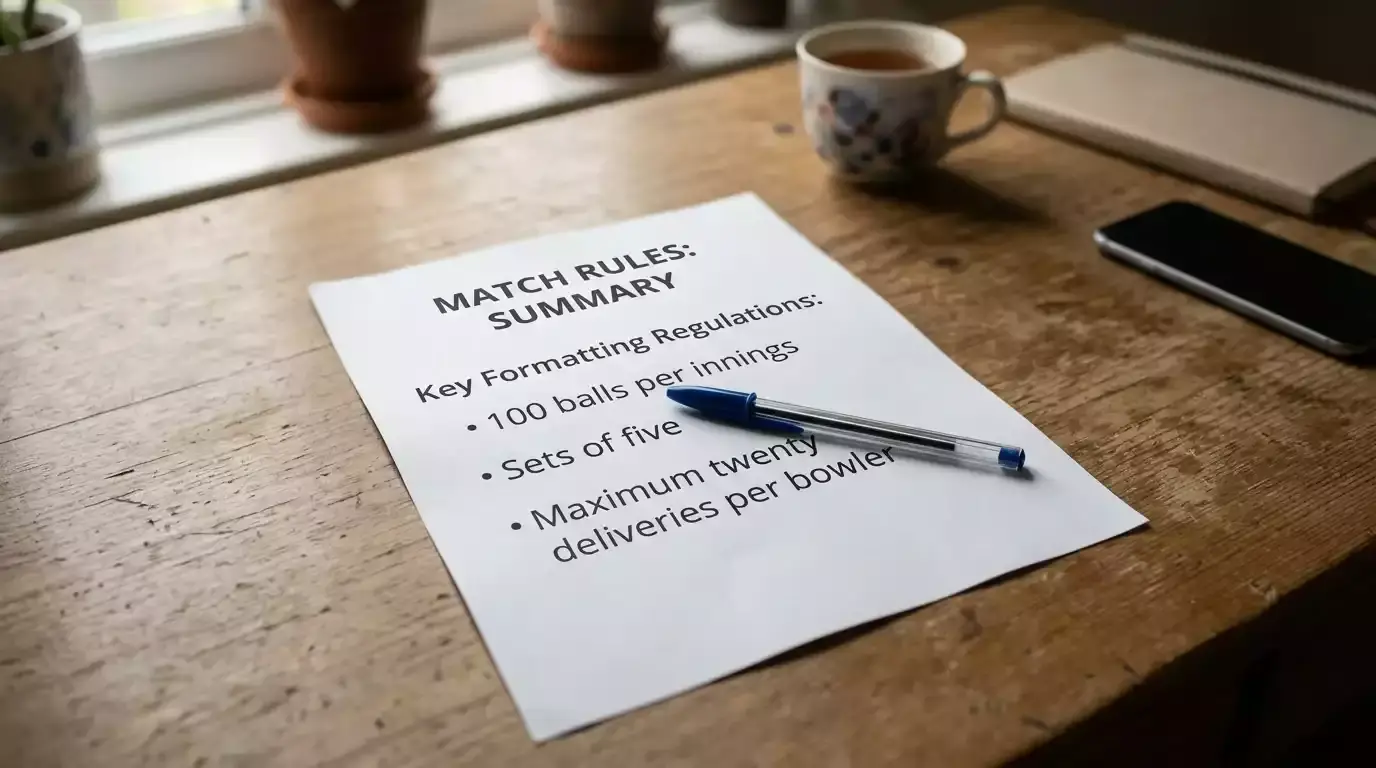
The 20-ball-per-bowler cap matters. In T20 a bowler is limited to four overs (24 balls). In The Hundred the cap is 20 balls, slightly more restrictive in absolute terms. The cap forces captains to use more of their bowling resources across the innings — a clear bowling “hero” can bowl 20 balls but no more, which means the back end of the innings always sees a different bowler than the powerplay regardless of how the first 10 balls have gone.
The powerplay structure is also different. The first 25 balls of an innings — five sets — operate under fielding restrictions, with only two fielders permitted outside the inner circle. The 25-ball powerplay is proportionately similar to T20’s six-over powerplay (30 balls) but the exact boundary creates different opening tactics. Books pricing powerplay runs markets in The Hundred sometimes default to T20-style allocations and miss the slight compression of the wickets-in-hand allowance for the chasing side.
Outright Markets: Eight Teams and Finals Day
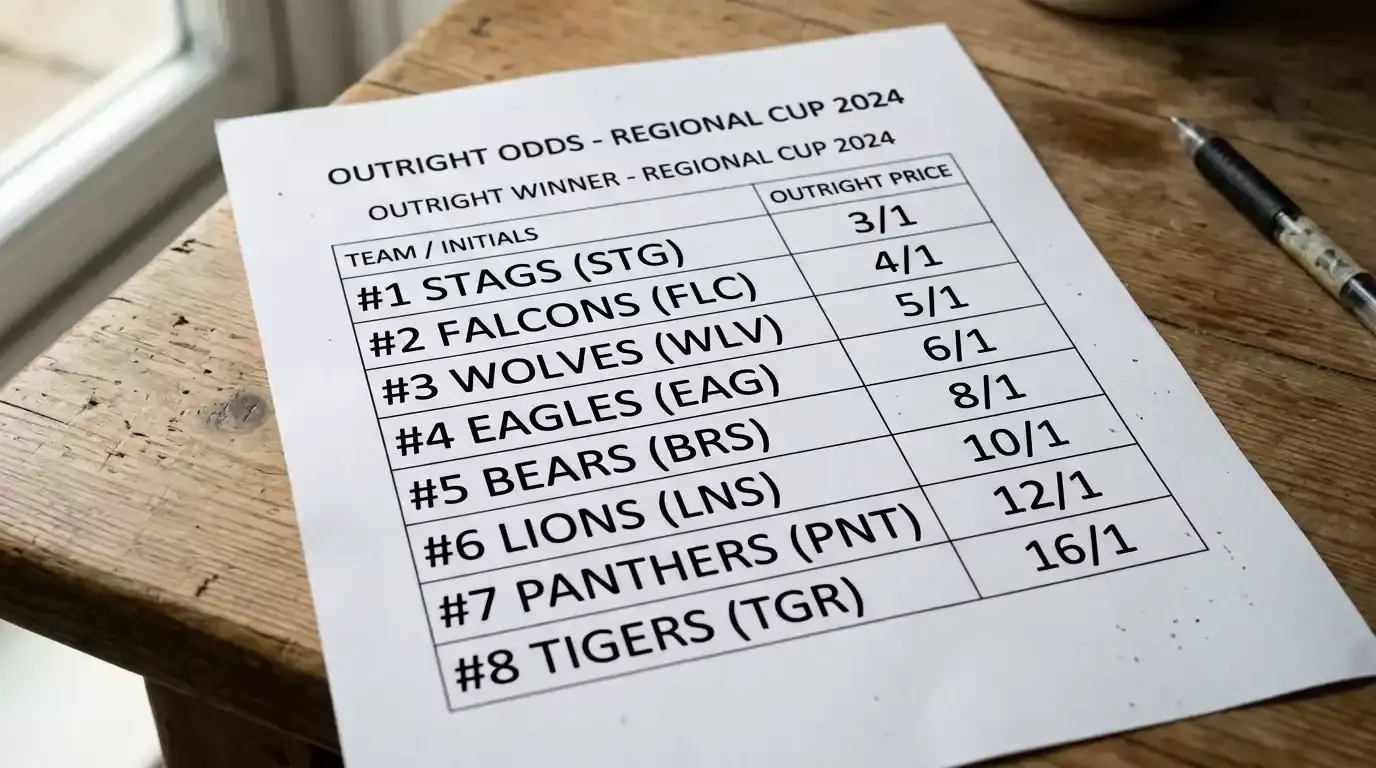
Outright markets in The Hundred are simpler than the Vitality Blast equivalent because the eight-team structure reduces the field. Tournament winner is the headline product, with pre-season favourites typically priced at 7/2 to 11/2 and the rest spread between 6/1 and 16/1. The compressed field — eight teams rather than the Blast’s 18 — means the title price for any individual side is shorter and the “to win” implied probability for the favourite is correspondingly higher.
The tournament’s knockout structure resolves on a single Finals Day at Lord’s, with two semi-finals followed by the final. “To reach Finals Day” — the top three teams qualify, with second and third meeting in an eliminator before the loser of the first semi plays the third-place team — is the alternative outright market. The pricing on Finals Day qualification is wider than tournament winner, with mid-tier teams priced at 11/4 or 3/1 for qualification where their underlying probability might be closer to 7/4.
The structural feature of the four-week window is that early-season results carry disproportionate weight. The Hundred plays roughly 32 matches across the window, and a side that starts 0-3 has almost no path to recovery in the remaining schedule. Books reflect this in the outright price movements — a winless side after three matches typically drifts to 33/1 or longer even if their underlying squad strength was modest favourites before the start. The early-tournament drift creates trading opportunities for punters willing to lay early favourites who’ve started poorly, on the basis that the structural deficit is now too steep to recover.
In-Play Rhythm: Five-Ball Sets and Strategic Bowling Changes
The in-play markets in The Hundred behave differently to T20 because of the set-of-five structure. Books update prices between balls rather than between overs, which means the in-play rhythm is faster and the price movement is more granular. A wicket at the end of a five-ball set produces a sharper repricing than the equivalent T20 wicket, because the bowling-change option is immediately available and the captain’s tactical response is visible within seconds rather than minutes.
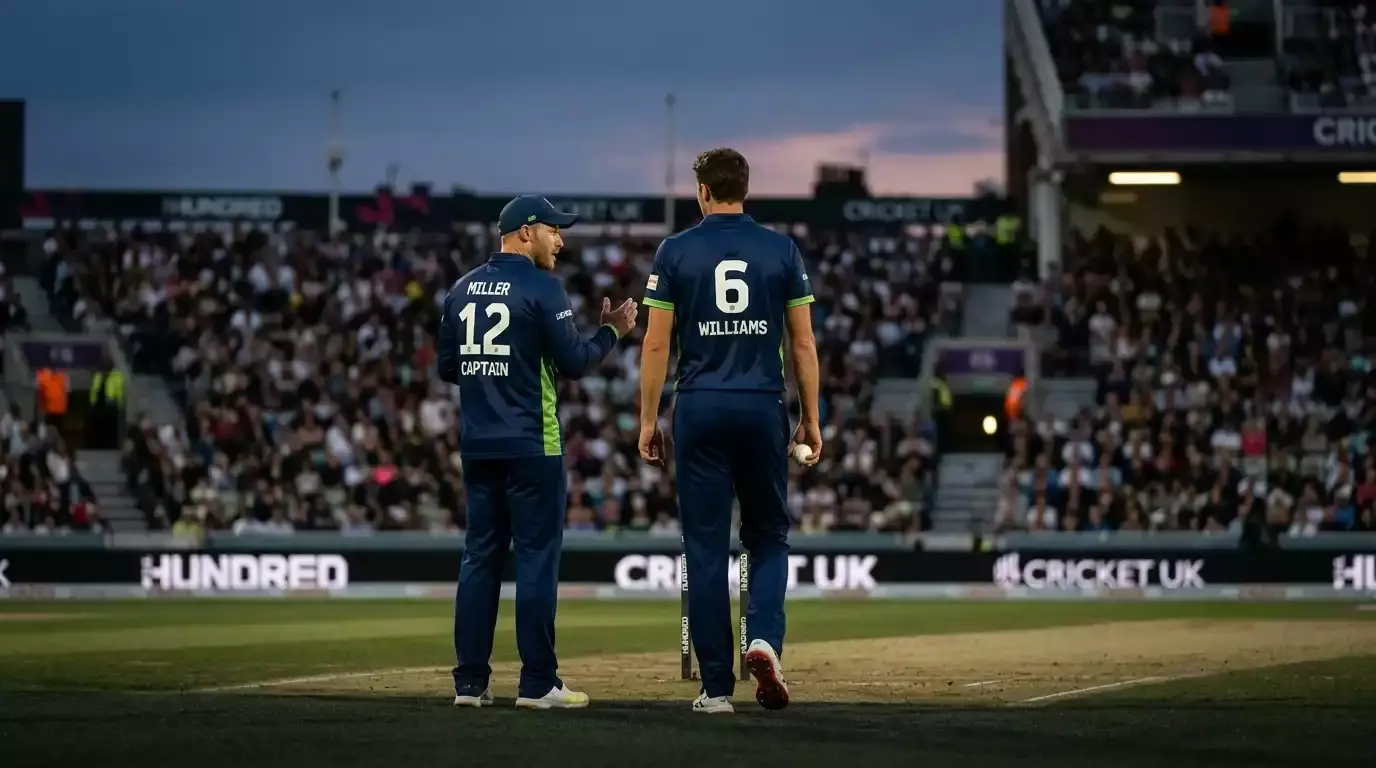
“We take these matters extremely seriously and do not condone any form of anti-corruption breach in cricket,” an ECB spokesperson said following the 2024 disciplinary outcomes — the integrity framework that the regulator maintains across both domestic competitions covers The Hundred under the same disciplinary umbrella as the Vitality Blast and County Championship. The clean integrity backdrop is what allows the in-play market to operate at the speed and granularity it does — books wouldn’t quote so aggressively on rapid in-play markets if the integrity risk premium had to be priced in across every set.
The bowling-change moments are the highest-information events in any Hundred innings. A new bowler entering for the death-overs sequence, an opening bowler returning for a second five-ball spell, a spin-pace switch in the middle overs — all of these produce price moves that the disciplined punter watches for. The pre-positioned bet — having a view on what the captain is likely to do at a specific point in the innings — is the structural advantage that match-watching punters have over algorithmic models that rely purely on aggregate data.
Player Props in 100-Ball: Sample Size and Variance
Player props in The Hundred operate on a smaller sample size than the Vitality Blast equivalent. A Hundred batter who plays the full group stage faces a maximum of around eight matches, against the 14 matches a Blast batter would face in a similar role. The smaller sample means the variance on individual player outcomes is wider and the prop market pricing is more sensitive to single-match outliers.

The “top tournament batter” market opens with this variance in mind. Books typically price the top-tier batters at 6/1 to 9/1 — wider than the equivalent Blast prices — because the smaller match count means a single failure for the favourite materially damages their season total. A 25-run innings in match three of the group stage is a much larger fraction of the total Hundred sample than the equivalent innings in the Blast.
The strategic implication for punters is that Hundred top-batter markets reward identifying batters whose volatility profile fits the format. A batter who scores consistently in the 30-to-45 range across most innings is a better candidate for top-tournament-batter than a batter who alternates between 0 and 80. The lower-variance profile produces a higher floor across the small sample, even if the headline ceiling is lower. Books often underprice this distinction because they default to T20-style pricing models that overweight ceiling.
The wider domestic T20 context that surrounds The Hundred each summer is the focus of my piece on Vitality Blast betting tactics across 133 matches in a single season.
