

Exploiting Opening-Position Biases in Top Batsman Odds
I’ll commit to this: top batsman is the single most consistently mispriced market on a modern T20 card. Not in the sense that the favourites are wrong — they usually aren’t — but in the sense that the maths the casual punter does on this market is upside-down. The headline number looks attractive, the dead-heat rule lives in the small print, and the opening-position bias gets read as a feature rather than as the structural defaulter the book is leaning on.
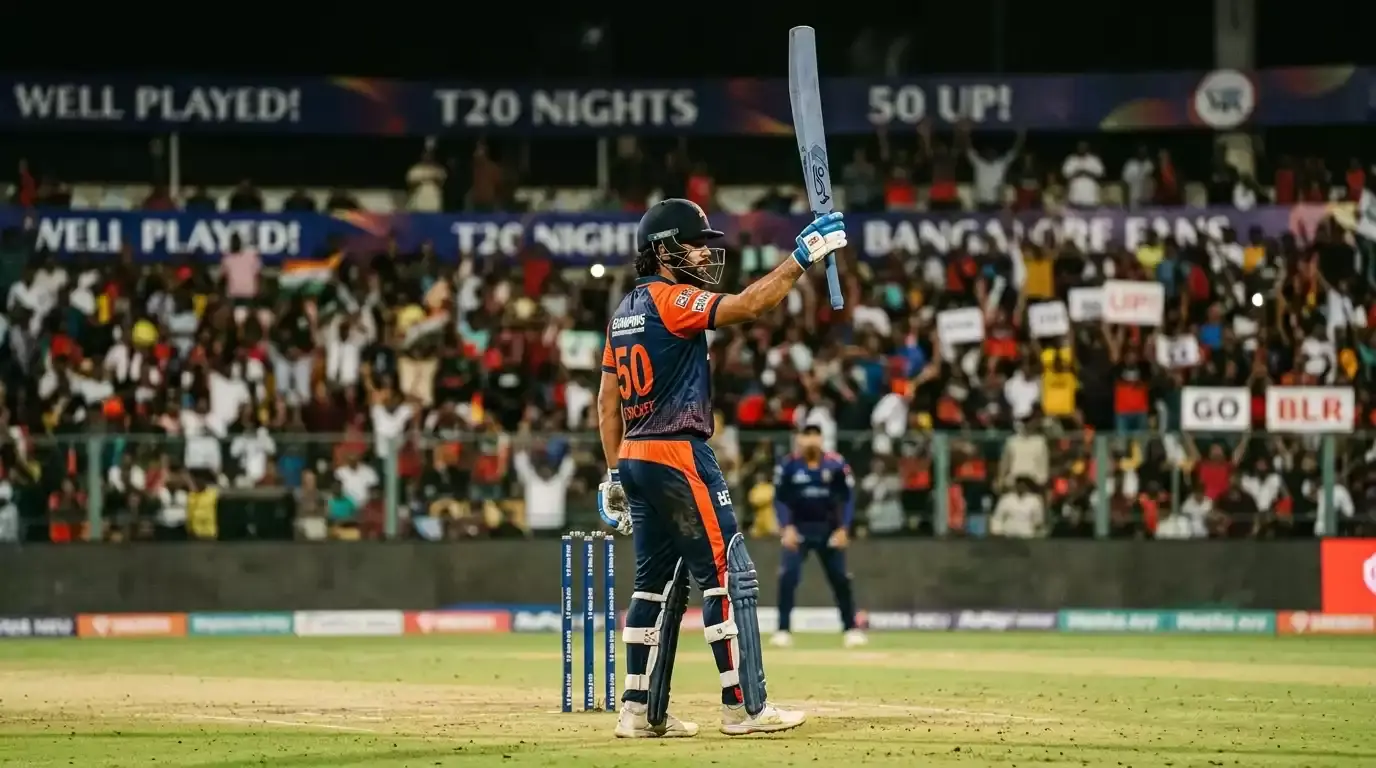
The Vitality Blast 2025 produced 633 runs for Toby Albert from Hampshire as the top run-scorer of the entire competition, and dozens of match-by-match top-batsman markets where the actual winning batter scored 40 or 50 rather than a centuries-worth of runs. That ratio — winning scores often modest, the field tightly bunched — is the engine that drives the dead-heat trap I describe later. The market rewards reading position, conditions and squad rotation more than it rewards reading form tables.
Why Openers Are Almost Always Favourites
The structural advantage of opening is so consistent that I’d argue it almost defines the market. Across T20, The Hundred, ODIs and Tests, the player who faces the most deliveries is the player most likely to score the most runs, all else equal. Openers face every legitimate ball at the start of the innings. The number three faces from whenever the first wicket falls. By the time you reach number six or seven, you might face 20 deliveries on a good day and zero on a bad one.
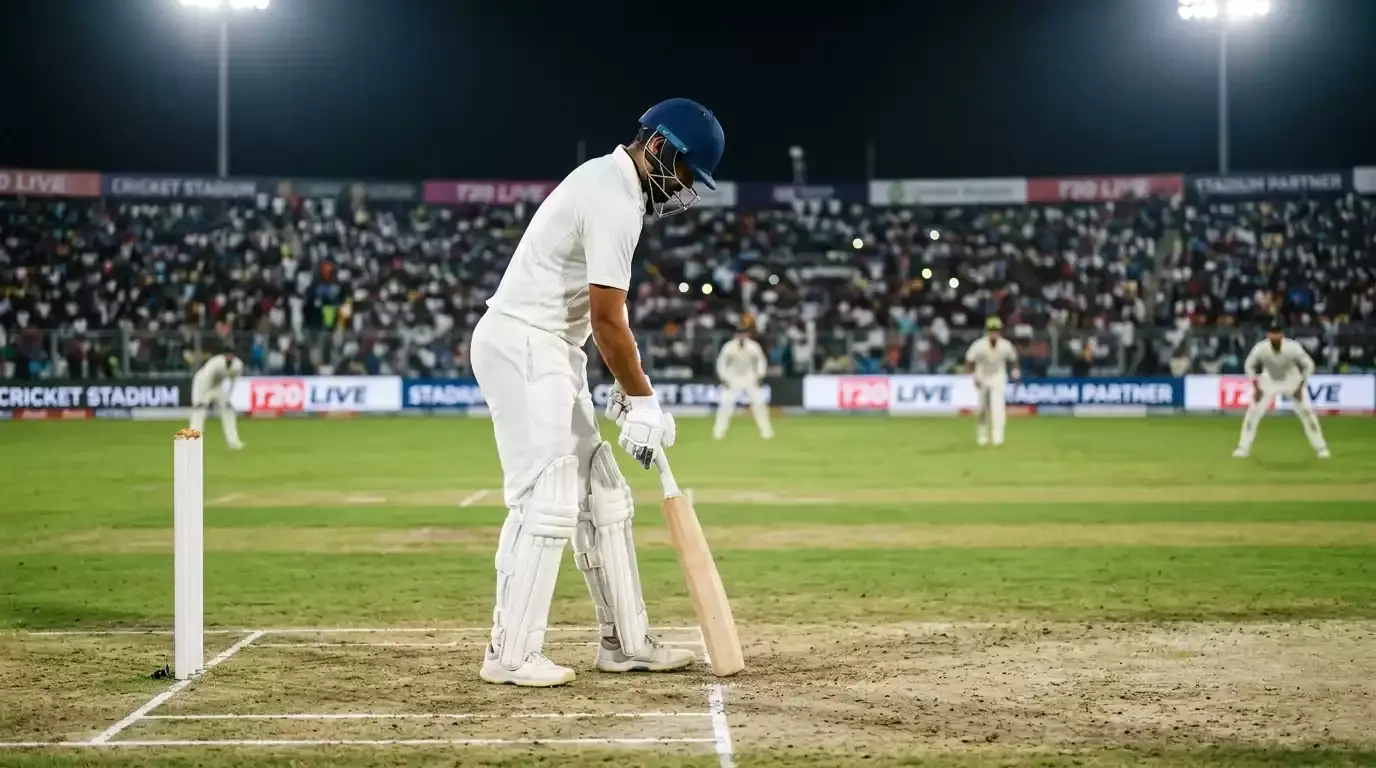
The book prices this in heavily. A typical T20 top-batsman card shows the two openers from each side at 3/1 to 5/1, the number threes at 6/1 to 8/1, and middle-order batters at 10/1 and longer. The drop-off is steeper than the underlying probability would suggest, because the book also overweights the “star opener” — the recognisable name — relative to their actual scoring rate per ball faced.
The edge in top-batsman markets often lives at the number-three slot. A number three batting on a slow surface against a quality seam attack can outscore their opener at a rate that the book’s pricing doesn’t fully reflect. The same logic applies to a number four who is genuinely the best player on the side and reliably bats deep — Vitality Blast openers who get out cheaply hand a huge slice of the innings to whoever follows.
Top Batsman in T20 vs The Hundred vs ODI vs Test
Each format reshuffles the top-batsman calculation in specific ways. T20 is the format where opener-bias is highest because the powerplay overs reward aggressive batting and the innings is short enough that a single big over from an opener typically settles the market. The 60 percent of T20 top-batsman markets I track end with one of the two openers from one side winning — that’s just structural, not a read on any particular player.
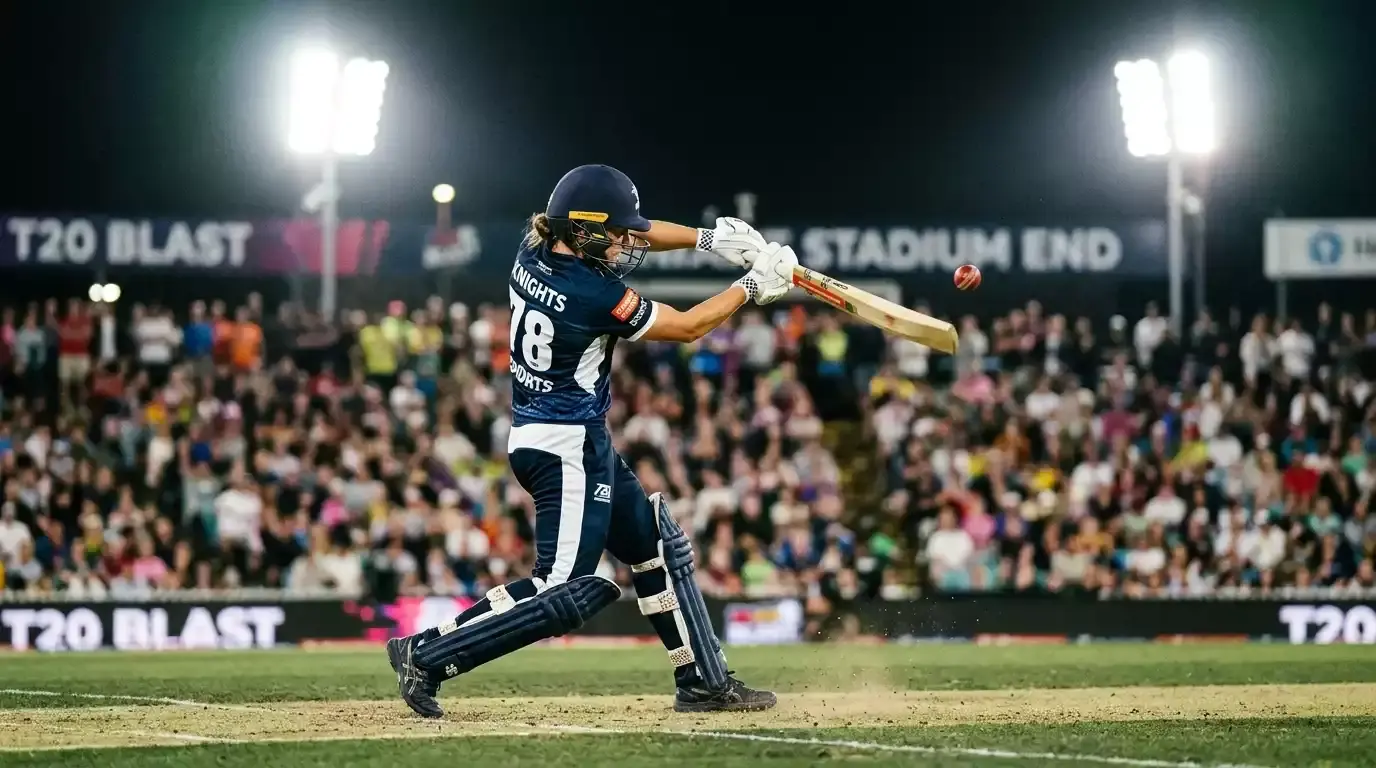
The Hundred reshapes this. The 100-ball format with sets of five gives middle-order batters a more meaningful share of the innings because boundary-hitting capacity is concentrated in different positions. The book hasn’t fully adapted top-batsman pricing in The Hundred to the format’s specifics — opener prices are typically 10 to 15 percent shorter than they should be, because the book’s model defaults to T20-style opener weighting.
ODI top-batsman markets reward different reading. 50 overs of cricket means even a number five who comes in at 130 for three with 25 overs to bat can mount a top score. Books price ODI top-batsman with more positional spread, and the price gap between openers and middle-order is narrower. The mispricing here often sits at numbers six and seven — finishers who play a specific tactical role and can score 60 from 30 balls on the right day.
Test top-batsman markets are a different sport. The two openers’ chance of getting the top score across an innings is no longer dominant — number three and number four batters are often the structural favourites because they get full sessions to bat. Books are typically reasonable on Test top-batsman, with less of the bias problem that plagues the white-ball formats.
Dead Heat Rule and How It Quietly Halves Your Return
The dead-heat rule is the single most expensive thing in the small print of any cricket sportsbook. The rule: if two or more batters finish the innings on the same top score, the winnings are split proportionally to the number of tied players. Bet £10 at 5/1 on player A, they tie with player B on 47 — instead of a £60 payout you get £30 net (your stake back plus £20 winnings, equivalent to backing at 2/1 instead of 5/1). The “proportional” split halves your effective price.
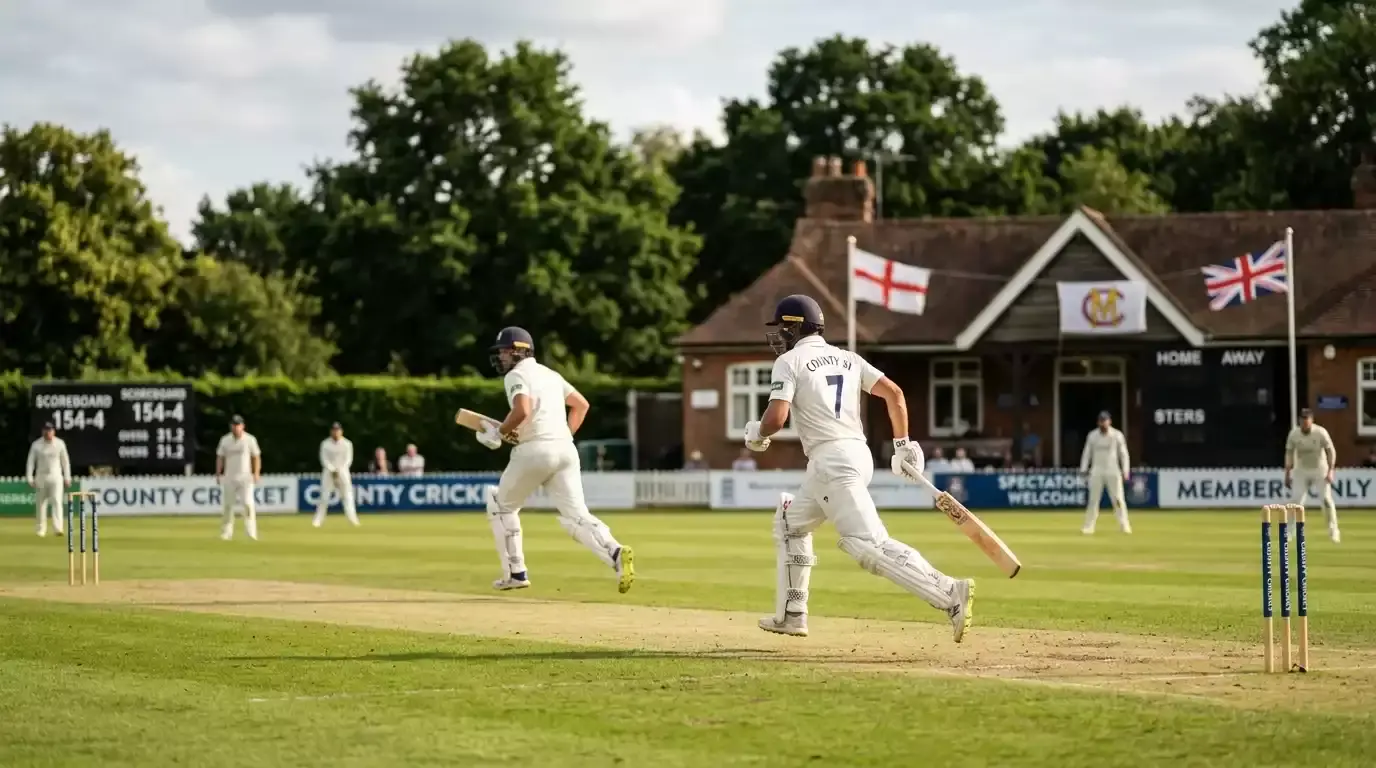
Dead heat is far more common in T20 and The Hundred than punters realise. Winning T20 top-batsman scores are routinely in the 40s and 50s, and the number of credible candidates often comes down to four or five batters from both sides. Two of them finishing on 47 or 48 happens often enough that an active top-batsman punter will see dead-heat settlements multiple times a season.
The book never advertises the average dead-heat hit rate. From my own tracking across recent Vitality Blast seasons, around 8 to 12 percent of top-batsman markets settle via dead heat. That’s a structural reduction in your expected return that the headline price doesn’t reflect — the “5/1” you backed is closer to “4.5/1” in expected value terms after dead-heat adjustments. Multiply across a full season and the gap between your modelled return and your actual return is meaningful.
Retired Hurt, DLS-Abandoned Innings, Did Not Bat
Settlement edge cases catch top-batsman bets out more often than any other market. The standard UKGC sportsbook rule is that a player must “bat” — face at least one delivery — for the bet to stand. A batter listed in the eleven who is held back due to declaration, DLS-abandoned innings, or who doesn’t reach the crease before the innings ends gets stakes refunded. That’s relatively benign.
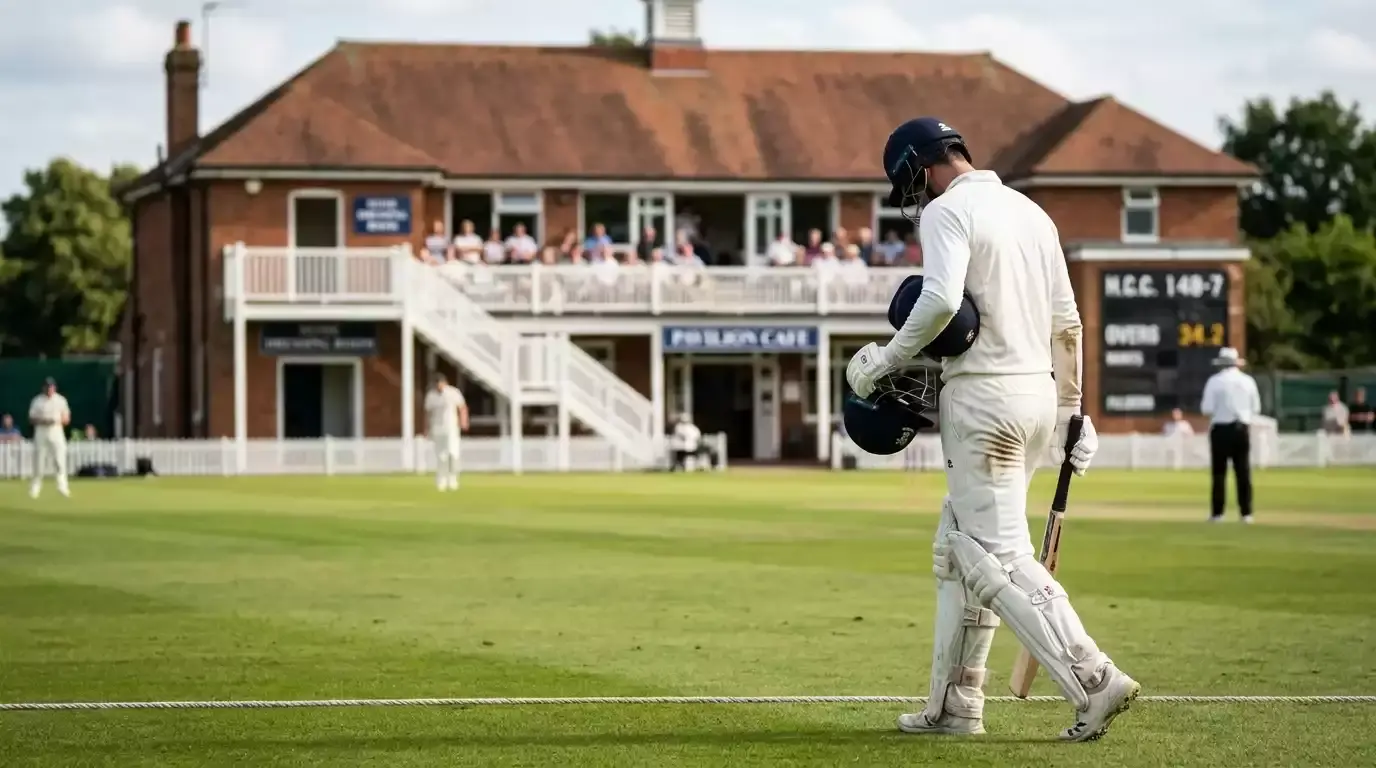
Retired hurt is the harder one. If your batter goes off retired hurt before scoring the top score, your bet typically stands — the book treats them as having batted, regardless of the reason for leaving. If they return later and resume the innings, scores accumulate normally. If they don’t return, the score at retirement is the final figure for settlement purposes.
DLS-abandoned innings, where the chase is curtailed but counted via Duckworth-Lewis-Stern, settle top-batsman on the runs actually scored, not on any projected continuation. A chase abandoned at 80 for two off 12 overs settles top-batsman on whatever runs each batter accumulated during those 12 overs. The numbers will be lower than a full innings would have produced, the dead-heat probability is much higher across a narrower range, and the “dead-heat trap” bites hardest in exactly these abandoned scenarios.
The mirror-image market in any innings is the wicket-taking side, where the same positional structures apply to bowlers — covered in my piece on top bowler markets and the powerplay-to-death-over allocation.
