

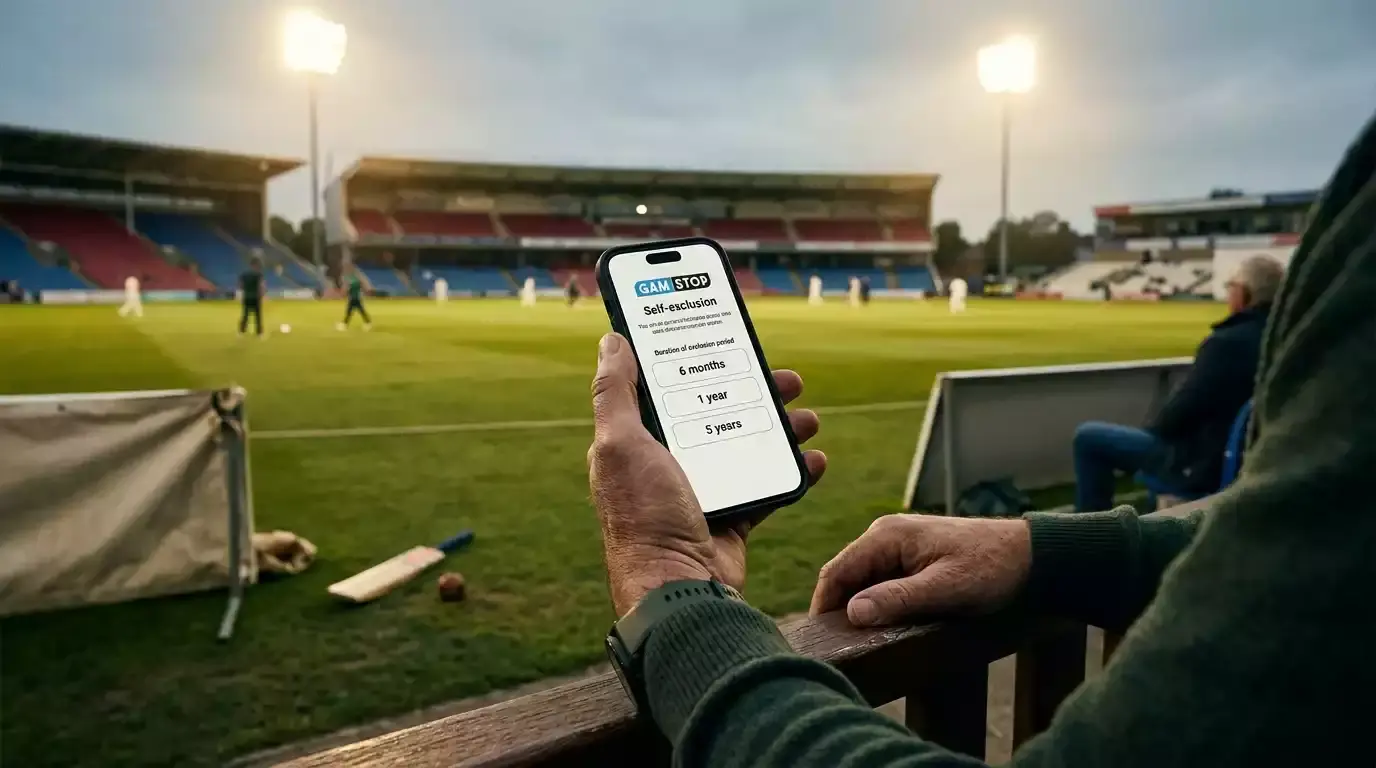
Managing Betting Accounts with GamStop Exclusions
The first time a friend told me he’d put himself on GamStop, I almost asked the wrong question. I started to ask “did it work?” and stopped halfway through, because that framing misses what the tool actually does. GamStop is a national self-exclusion scheme, not a treatment programme. It blocks access to UKGC-licensed gambling operators for a chosen period. It doesn’t address the underlying patterns that lead a person to sign up in the first place. Treating it as a complete solution sets people up for disappointment when the urge survives the block.
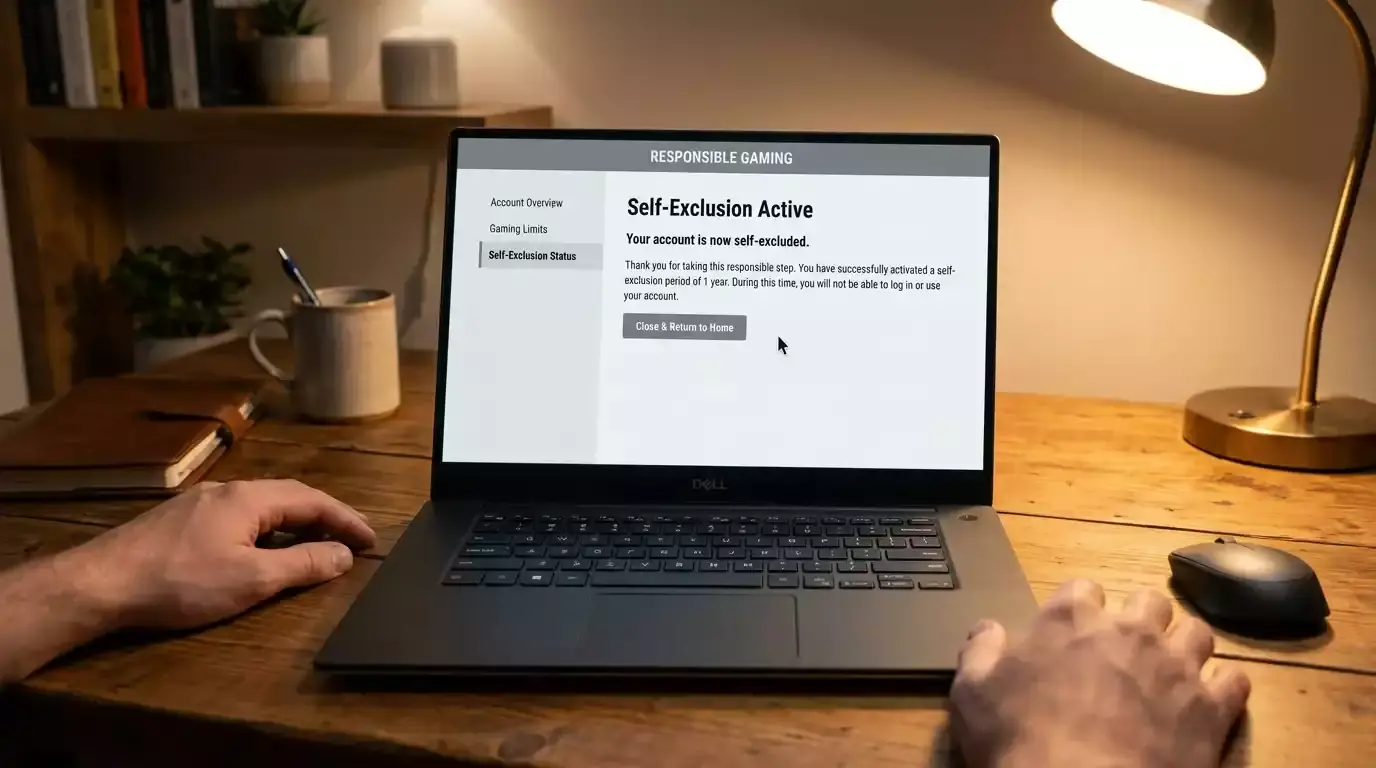
Over 600,000 people have registered with GamStop since 2018, which makes it the largest self-exclusion scheme in the regulated UK gambling space by a meaningful margin. The number alone tells you it’s a tool people find useful — but it also tells you that the demand for self-exclusion is bigger than any single product can fully address. For someone who bets on cricket and is considering GamStop, knowing what it does and doesn’t cover is the first step toward using it well.
What GamStop Actually Blocks Across UKGC Operators
GamStop covers every UKGC-licensed remote gambling operator. That’s the simple version. The technical version is more useful: when you register, your name, date of birth, postcode, email and phone number are added to a central database. UKGC operators are required by their licence conditions to check this database and block account creation, login and play for any matched user across the entire schedule of their consumer products.
For cricket betting specifically, GamStop blocks access to every UKGC-licensed sportsbook, every UKGC-licensed exchange, and every UKGC-licensed bingo or casino site that might also offer cricket-adjacent products. It blocks the operator’s website, mobile app, and any third-party app the operator distributes betting through. Marketing emails and promotional communications stop. Bonus offers don’t arrive. The blocking is real-time — sign up at 8pm and within minutes the major operators have pulled access on existing accounts.
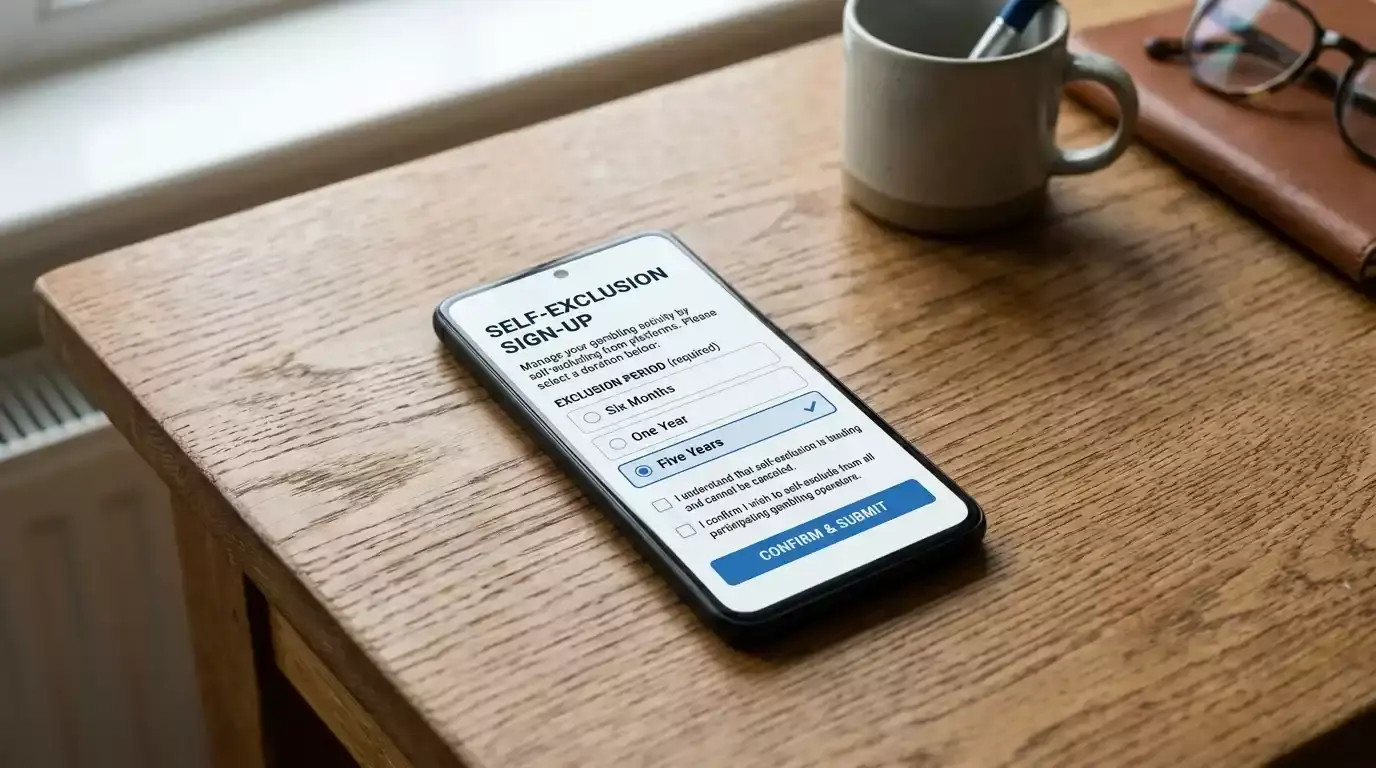
The exclusion period is your choice: six months, one year, or five years. The minimum is six months and the period is genuinely binding. Once you’ve selected a period, you cannot reduce it. You can extend it during the active period, but not shorten it.
What GamStop Does Not Block: Offshore, Crypto Sites, Card-Direct
This is the part that matters most, and the part that’s most often glossed over. GamStop is a UKGC-bound scheme. It has no jurisdiction over operators that don’t hold a UK licence. The offshore market, which has grown from around £200 million GGY in 2019 to £685 million by 2025, sits entirely outside GamStop’s scope. Around 9 percent of UK online gambling activity in H1 2025 took place on offshore platforms, and none of those platforms are required to check GamStop registrations.

Crypto-only gambling sites — some of which technically hold remote licences from jurisdictions outside the UK — are part of this gap. They accept deposits via cryptocurrency or e-wallet transfers that don’t go through the standard UK bank rails, which makes blocking them at the payment layer harder than blocking conventional card transactions to UKGC operators.
Direct-to-card gambling outside the UKGC perimeter is another route the scheme doesn’t catch. Some international operators accept card deposits via merchant accounts that present as “generic e-commerce” rather than gambling, and GamStop can’t see those transactions. Bank-level controls — about which more later — close some of this gap, but the residual exposure is real.
The framing that matters: GamStop is a meaningful tool that genuinely blocks access to the UK regulated market. It is not a comprehensive lock on every gambling opportunity that exists. For someone genuinely struggling, layered protection — GamStop plus bank blocks plus a device-level filter like GamBan — is the realistic approach.
Signing Up: Period Choice, Renewal, Reinstatement
The sign-up process takes about five minutes online. You provide your full name (every name you might use, including any historical or maiden names), date of birth, current postcode, email and mobile number. The system runs a basic check, generates a confirmation, and the exclusion goes live within 24 hours across the operator network — though most operators implement it faster, often within minutes.
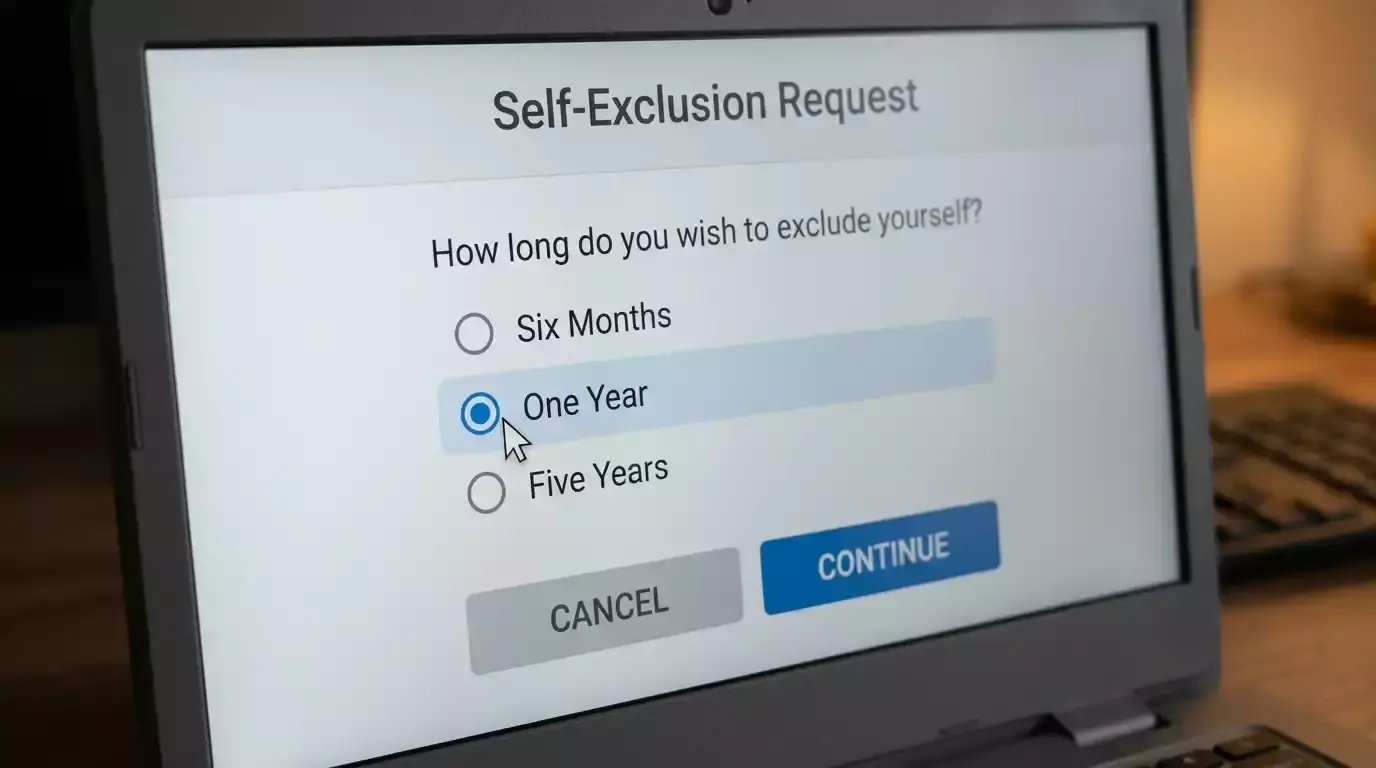
The choice of exclusion period is genuinely important. Six months feels short to someone in crisis mode but is the right starting point if you’re using the tool as a circuit-breaker after a heavy loss rather than as a long-term commitment. One year is the most common option — long enough to break the routine, short enough to feel manageable. Five years is for users who want a long-term hard line.
Renewal at the end of the period is automatic in some cases and opt-in in others, depending on which version of the scheme you’re on. The default behaviour, as of recent updates to the platform, is that exclusions extend if the user doesn’t actively reinstate themselves at the end of the period. Reinstatement requires you to confirm in writing — typically via email or a portal action — that you want to resume access. There is then a 24-hour cooling-off period before operators are notified to lift their blocks. The cooling-off is deliberate; it removes the “impulse return” scenario where someone reactivates and immediately deposits.
Supplementary Tools: GamBan, Bank Blocks, Operator Limits
GamBan is a paid device-level filter that blocks gambling websites and apps on individual phones and computers. It’s not a substitute for GamStop — it works at the device layer rather than the operator layer — but it complements GamStop by blocking access on devices that might otherwise reach offshore sites. The combination of GamStop (operator-level) and GamBan (device-level) closes the offshore gap by a meaningful margin.
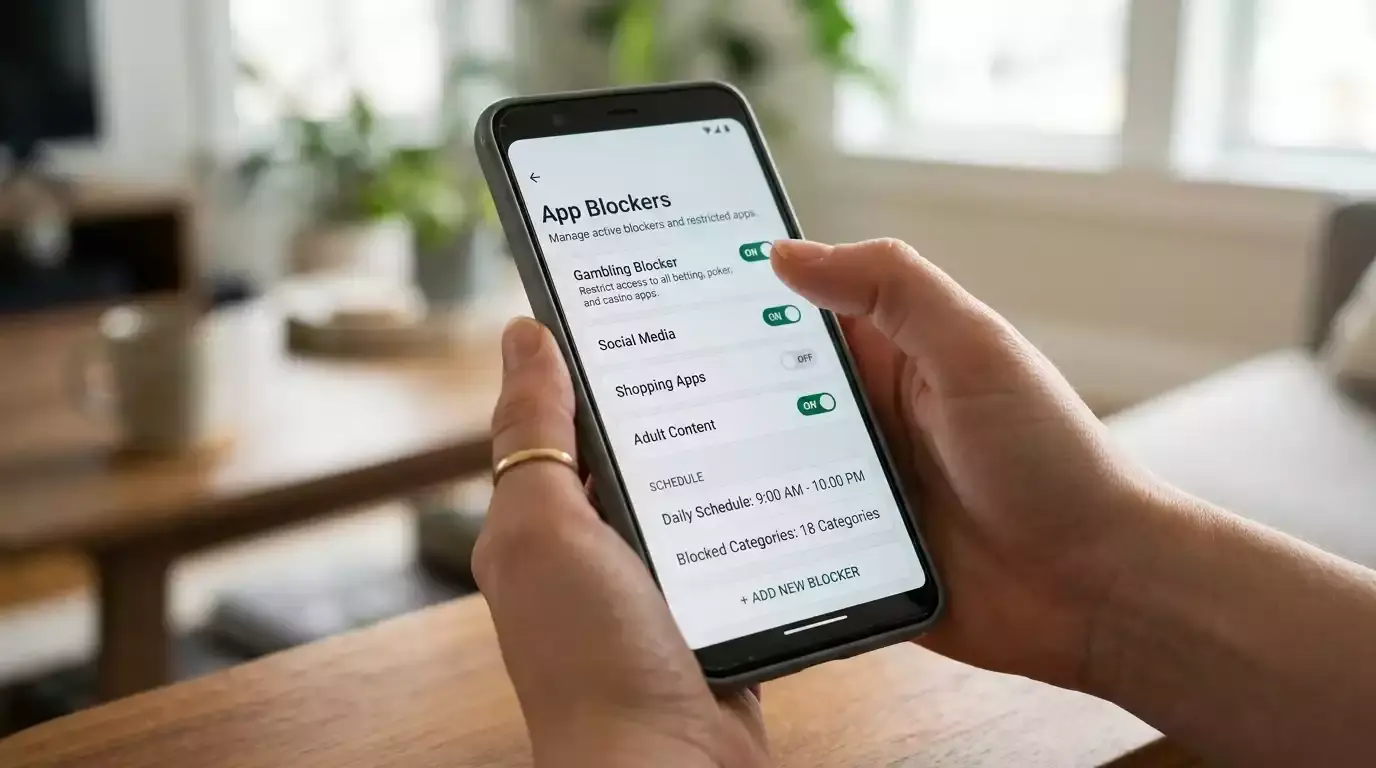
UK bank-level gambling blocks have rolled out across the major banks since 2018. Most current accounts offer a setting that prevents card payments to merchants classified as gambling. The block is real-time and can be lifted on a cooling-off basis — typically 48 hours after the user requests removal. Combined with GamStop, bank blocks catch most of the “card to offshore site” pathway, although determined users can route through e-wallets or crypto rails that bypass standard merchant categorisation.
Operator-level deposit limits are the lightest-touch tool. UKGC operators are required to offer deposit, loss, session-time and reality-check limits to every customer. These don’t require GamStop — they live within the operator’s own controls — and they’re particularly useful for someone who wants to keep an account active but cap their exposure. The limits are binding within the operator and can only be lowered immediately; raising them requires a 24-hour cooling-off period. For someone managing their betting rather than excluding from it, operator limits are the first place to start. GambleAware research published in late 2025 estimated that more than five million people in the UK want to cut down or stop gambling, and operator limits are the entry-level tool for that majority who aren’t in full self-exclusion territory.
The wider picture on who self-excludes and why sits alongside the broader data on harm patterns in the UK, which I cover in my piece on what the 2025 problem gambling numbers actually show.
