

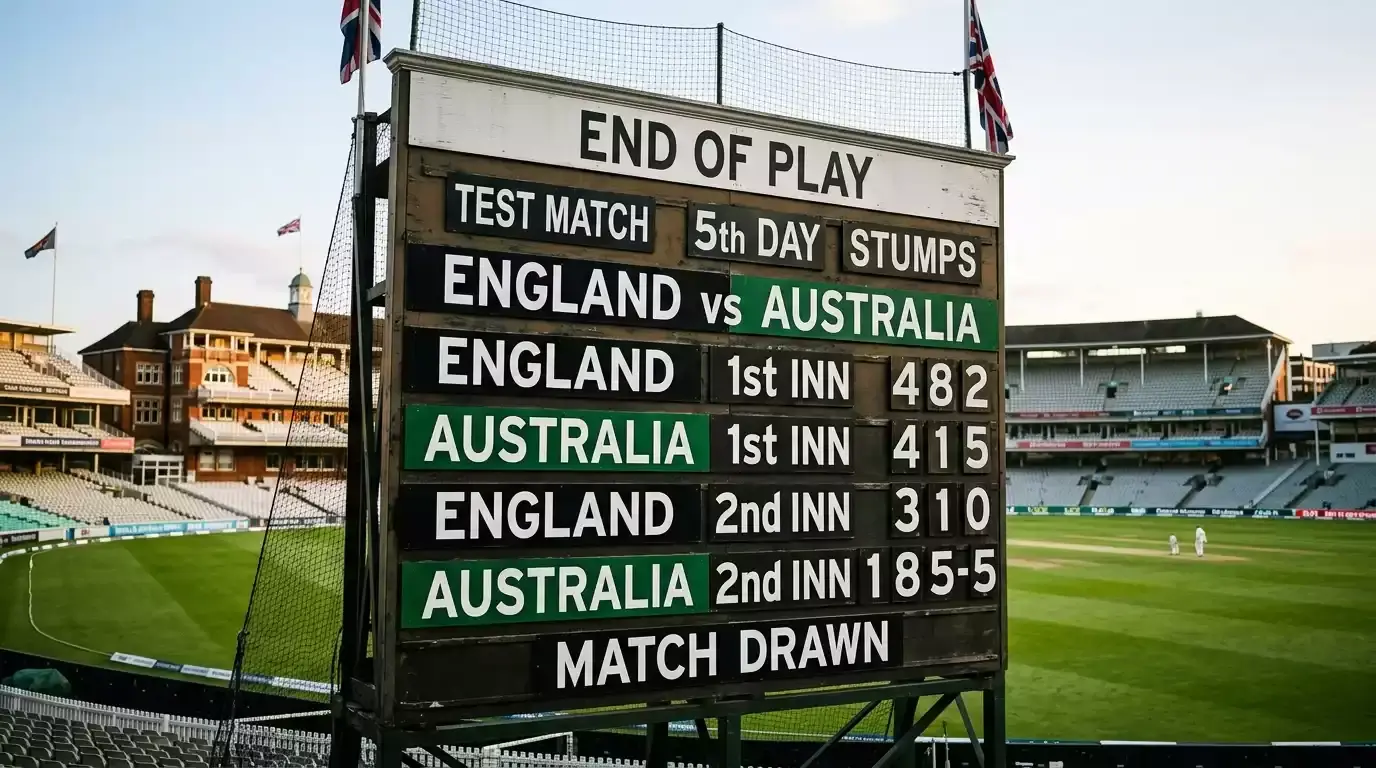
Pricing Structures in Test Cricket DNB Markets
The first Test I ever bet on outright was a 2017 England-South Africa match at Trent Bridge. England were favourites, South Africa were respectable, and I picked England at 13/8 on the three-way match-winner book without thinking too hard about the draw price at 5/2. The match was rained off after two and a bit days. My stake went on the “no winner” pile. I learned then that the draw isn’t an annoying side-outcome you ignore — it’s a structural feature of the Test format, and any market that treats it as a binary swap-out is doing you a quiet disservice.
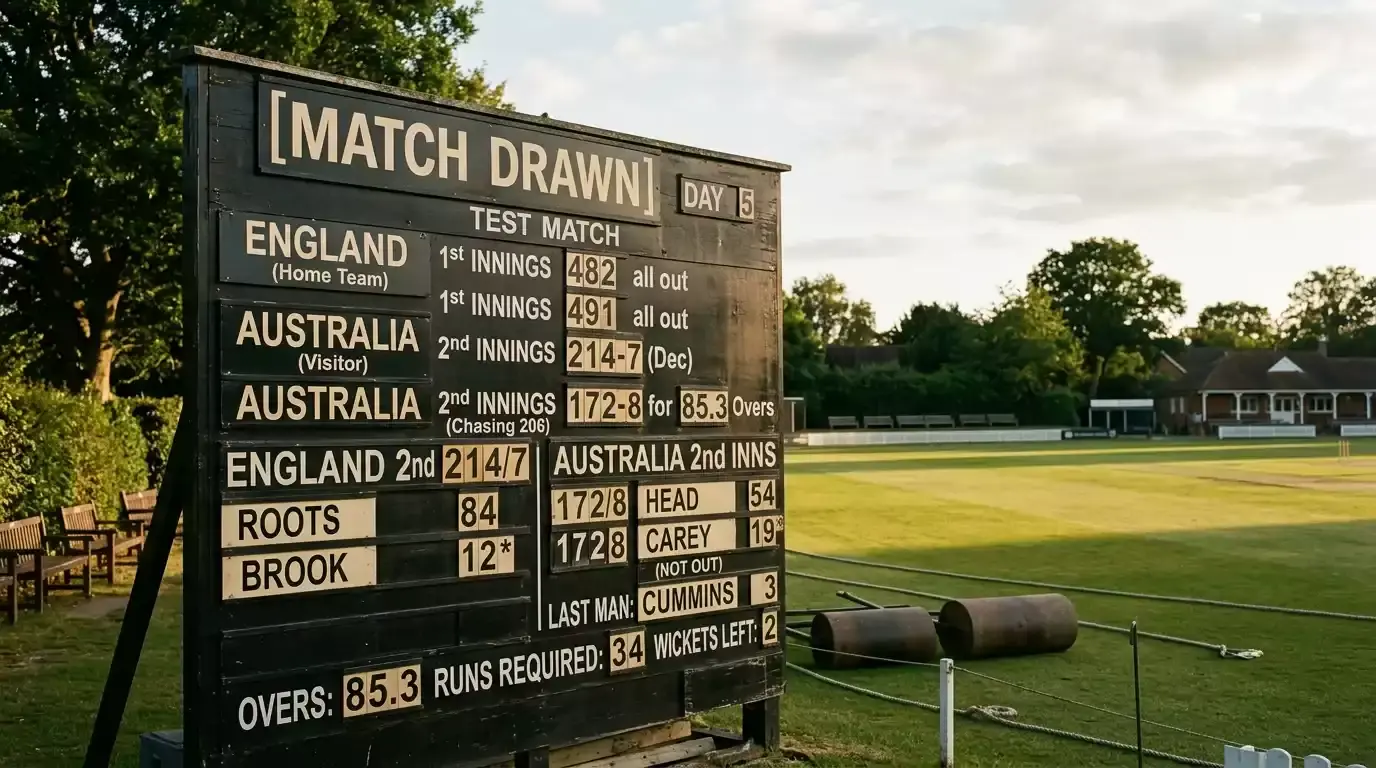
“I am confident that the cricket you watch is safe and clean. But I am also absolutely sure that corruptors are constantly looking for a route into the game, particularly in badly-run lower-level franchise leagues,” Alex Marshall from the ICC Anti-Corruption Unit said in a 2024 interview. That confidence in the cleanliness of international cricket is the background condition that lets the rest of the market function normally — and within that normal market, the draw-no-bet structure becomes a useful tool for managing exposure to one specific outcome that Test cricket uniquely produces.
How DNB Converts a Three-Way Market Into Two-Way
A standard Test match-winner book lists three prices: team A win, team B win, draw. Each carries an implied probability, and together with the book’s overround they sum to slightly over 100 percent. Draw no bet — DNB — strips the draw out and offers you a two-way market on A or B, with one critical settlement rule: if the match is drawn, your stake is returned in full.
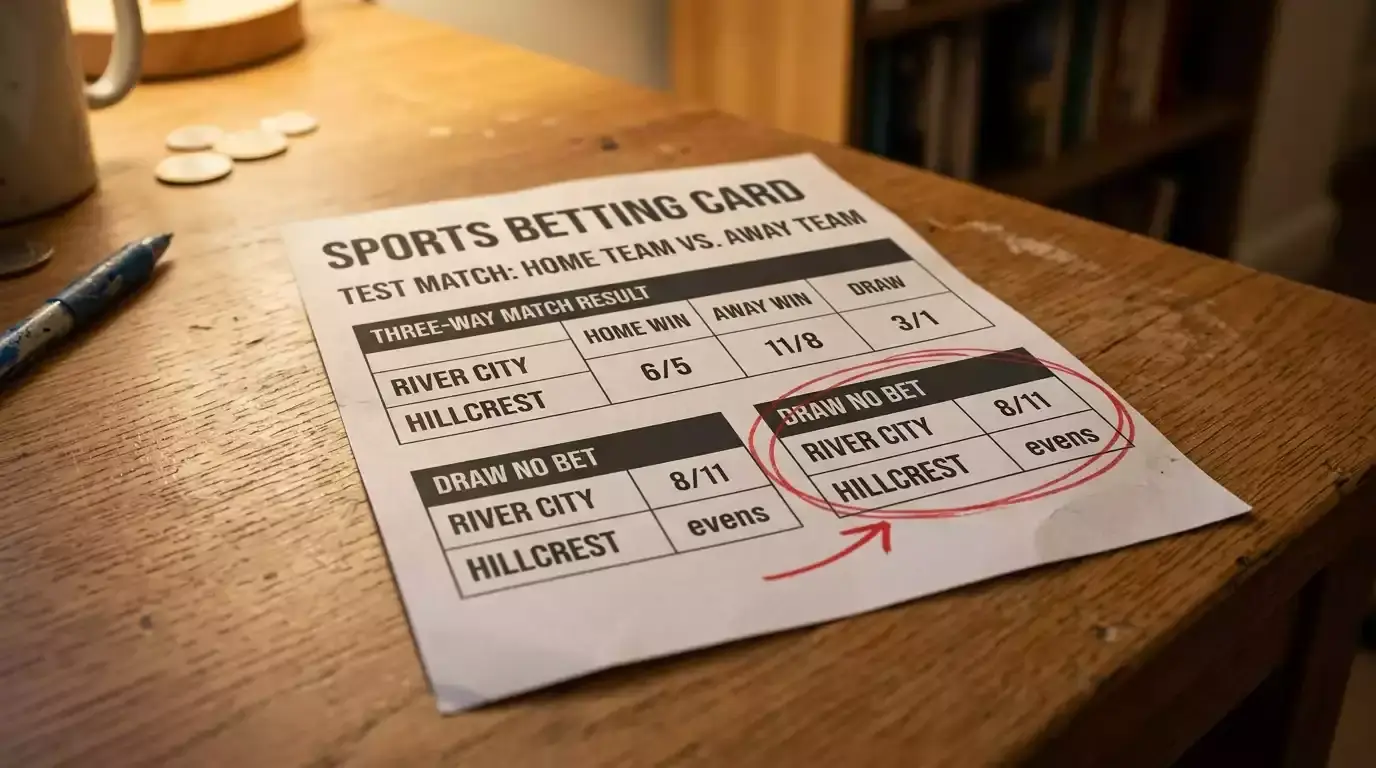
The mechanics are simple. You back team A in DNB at a price that’s shorter than the three-way market-winner price because you’ve given up the upside that the draw scenario delivers (which would be A losing in the three-way book, but a stake refund in DNB). The price compression depends on the draw probability priced into the underlying three-way market. If the draw is at 5/2 in three-way, the DNB price for the match favourite typically comes in 25 to 35 percent shorter than the corresponding three-way price.
The book builds the DNB price by reallocating the draw probability across the two outcomes in proportion to their pre-existing probabilities, then applying its margin. If team A is at decimal 2.00 in three-way and team B is at 3.50, with draw at 4.00, the DNB price for team A works out at roughly 1.67 fair value, before margin. After margin you’ll see a slightly worse number — typically 1.62 or 1.63 — on a UK sportsbook.
Pricing DNB From the Underlying Three-Way Book
The clean way to read a DNB price is to back-calculate. Take the three-way prices, convert each to implied probability, remove the draw probability, and rescale the remaining two so they sum to 1.0. The resulting probabilities are the “no-draw” implied chances for each side. Apply the book’s overround margin and you have the fair DNB price.

Worked example: Test match three-way book is England 6/4 (decimal 2.50, implied 40 percent), Sri Lanka 9/4 (decimal 3.25, implied 30.8 percent), draw 5/2 (decimal 3.50, implied 28.6 percent). Total implied probabilities sum to 99.4 percent, suggesting near-zero overround (rare but cleaner for the maths). Strip the draw, rescale: England 40 / (40 + 30.8) = 56.3 percent, Sri Lanka 30.8 / (40 + 30.8) = 43.7 percent. Fair DNB prices are 1.78 for England and 2.29 for Sri Lanka. A typical UK sportsbook with a 5 percent margin would quote 1.69 and 2.18.
What this back-calculation shows is that DNB doesn’t give you free protection. The compression in price is roughly fair to the probability you’ve removed. The market that’s structurally interesting is when the underlying three-way book has a draw probability that’s wider than the “true” draw probability — for example, when conditions strongly favour a result. In those situations, the DNB price is overcorrected and offers value relative to the three-way market.
Conditions Where DNB Outperforms Match Winner
DNB earns its keep in a handful of specific Test scenarios. The first is when the match is forecast for poor weather. A high draw probability priced into the three-way book gets stripped out, and your DNB price reflects the “no-draw” reality — but if rain washes out two days and the match drifts to a draw, you get your stake back rather than losing the three-way bet outright. The expected value compared to the three-way book improves in proportion to the chance of weather actually arriving.
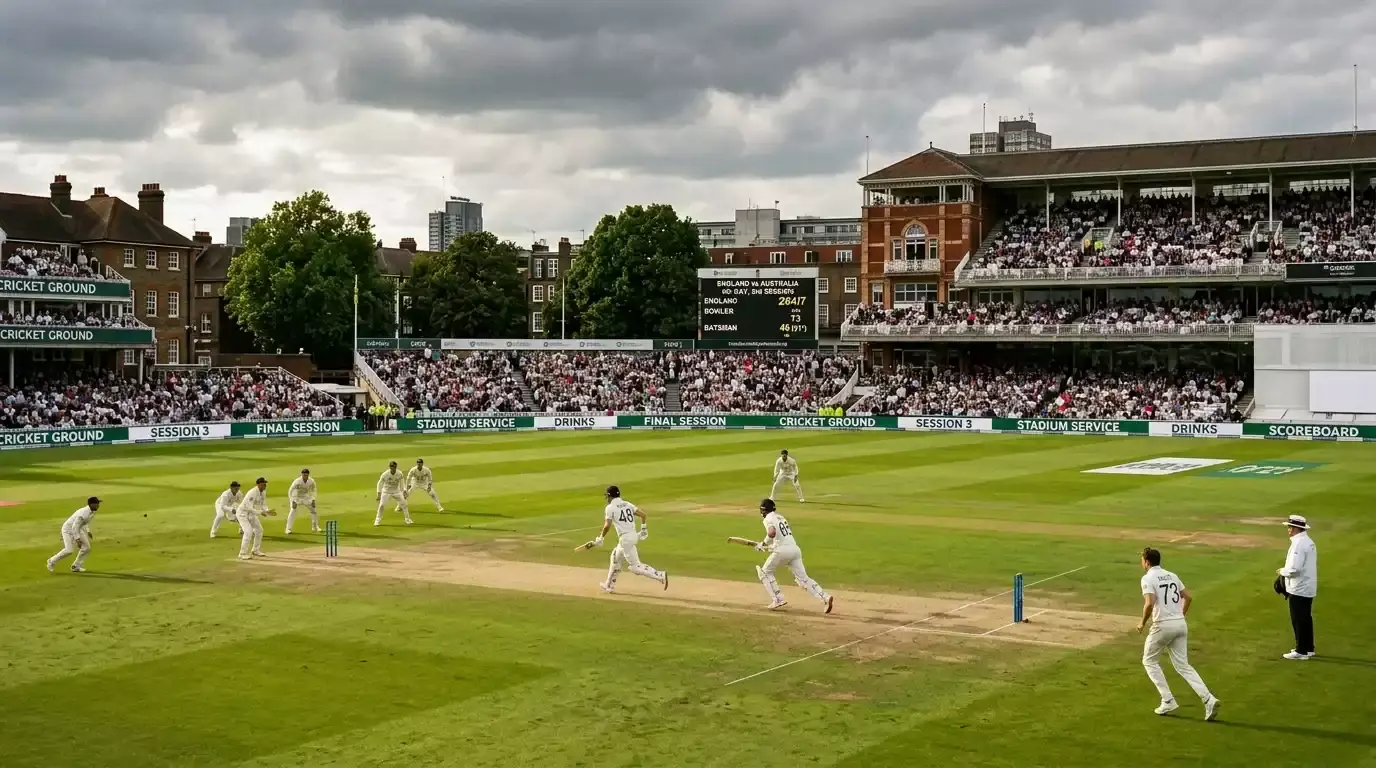
The second scenario is dead-rubber Tests in long series. The fifth Test of a 3-1 series, with the urn already decided, often produces flat-pitch surfaces and tentative captaincy. The draw probability runs higher than the normal Test market would suggest, but the three-way book sometimes prices the draw aggressively low because the audience reads dead rubbers as low-stakes and the book doesn’t want to scare punters off backing a favourite. DNB sidesteps that pricing tension.
The third scenario is mid-tour Tests where one side has fielded a B-team for rest reasons. The match-winner price for the touring favourite stays short, but the chance of a draw expands because the second-string side is harder to bowl out twice. DNB on the favourite gives you the win-or-refund position rather than betting against a real downside.
DNB in Dead Rubber Tests and End-of-Series Context
Dead rubbers deserve more attention than the market gives them. By definition they happen when one side has clinched a series, and the betting market treats them as low-information events. The bookmaker’s price reflects general expectation, not the specific incentives that change in a dead rubber. The leading side has a tendency to rest first-choice bowlers, hand caps to fringe selections, and play with a different intensity. The trailing side has either reputation-rebuilding intent or end-of-tour fatigue, often both.
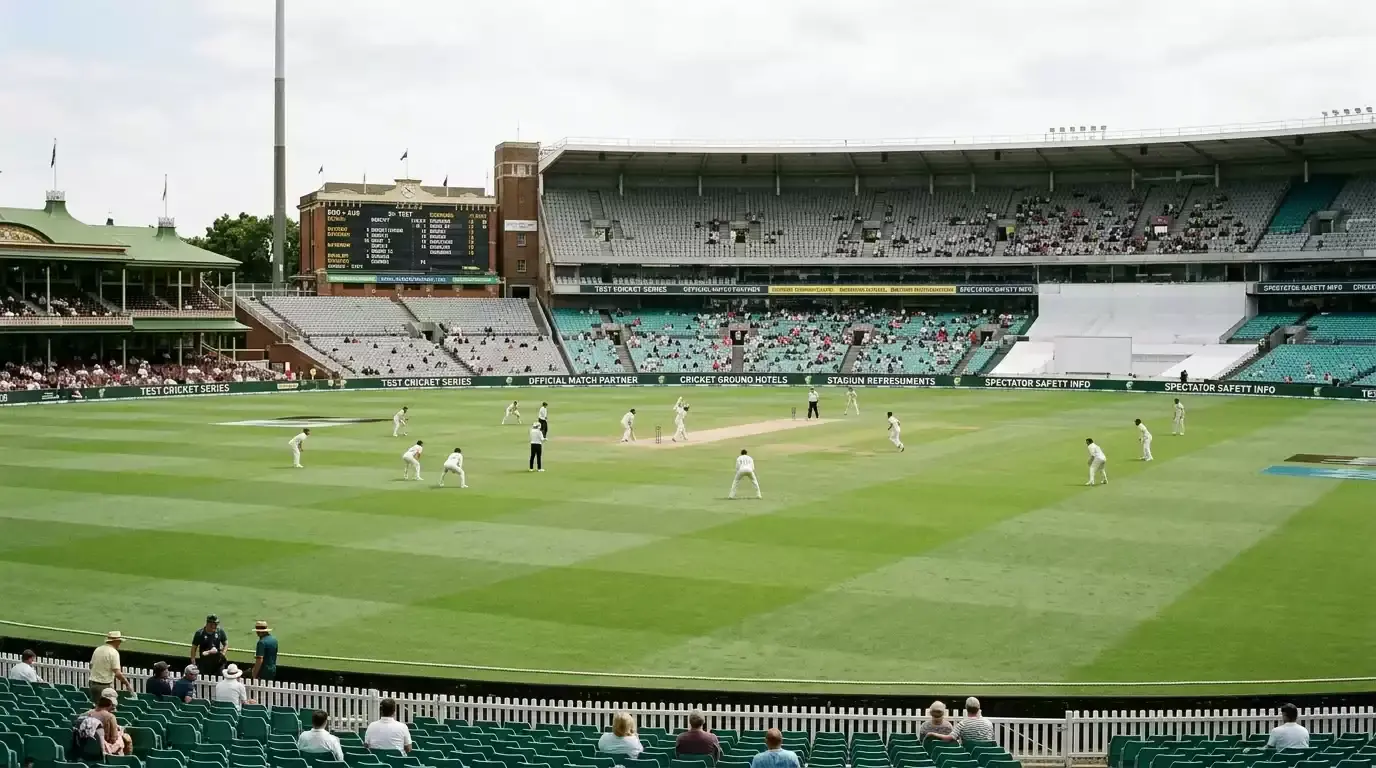
Either way, the draw probability shifts. Sometimes higher (when both sides play conservatively and the surface is flat), sometimes lower (when the trailing side throws caution to the wind on a deteriorating pitch). The three-way market often prices these correctly in headline terms but compresses the gap between the two outcome sides too aggressively. DNB on the side you favour, in a dead rubber, gives you a cleaner read on the contest itself without exposing your stake to the meta-context of why the match exists in the first place.
Series-context bets are different again. If you’re holding an outright bet on the series winner heading into the fifth Test and that bet still has live exposure, a DNB on the same side in the dead rubber acts as a hedge — you double-down on the favoured outcome at a more efficient price than the three-way market offers, with the refund clause on a draw acting as a partial release valve.
Long Test series take the DNB structure and stretch it across five matches, which I explore in more detail in my piece on Ashes series betting markets and how they price the urn.
