


Why the Toss Is Priced 50/50 but Almost Never Is
A coin flip should be the easiest market on the entire card. Two outcomes, equal weighting, no skill involved, the cleanest possible 50/50 a sportsbook will ever quote. So why have I never — in eight seasons of betting cricket — seen a toss market actually priced at 2.00 on each side? Every operator I look at, every match I check, the lines come in at something like 1.90 and 1.90, or 10/11 and 10/11 in fractional. That’s a tax on a coin flip, and it’s not accidental.

The toss is the cleanest test case I know of for understanding how a sportsbook builds a market. Sportradar’s odds product covers over 7,000 pre-match and live cricket matches a year, and a meaningful chunk of those carry a toss market that punters bet because it feels easy. The “easy” part is the trap. The real question isn’t who wins the flip. It’s what your captain does with it once he has it.
Bookmaker Margin on a Pure Coin Flip
Take two prices: heads at 10/11 and tails at 10/11. Convert both to decimal — 1.909 and 1.909. The implied probability of each side is 1 divided by 1.909, which equals 0.5238, or roughly 52.4 percent. Add them together and you get 104.8 percent. That extra 4.8 percent is the bookmaker’s overround on a true 50/50 — money the book is guaranteed to make in the long run regardless of which way the coin falls.
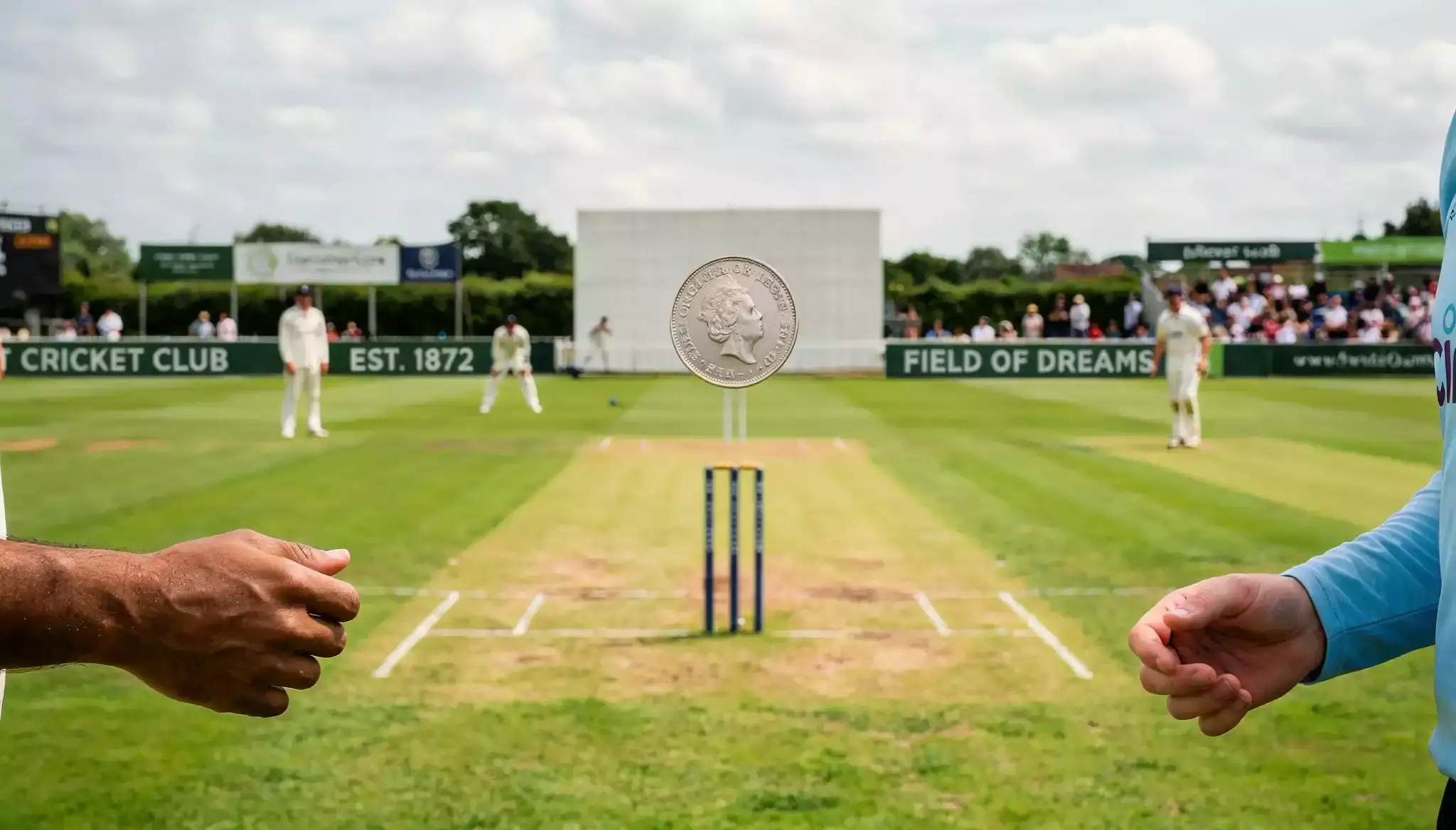
That margin compounds badly across a season. If you bet £10 on every toss market on a Hundred fixture, you’re paying the book a structural toll of around 48 pence per £10 staked. Multiply by a full season of toss bets and you’ve handed the operator a non-trivial sum for the privilege of betting a flip you couldn’t possibly have an edge on. The toss-market margin is one of the highest on a cricket card relative to the underlying randomness, and that should tell you everything about who the book wants betting it.
Some sportsbooks tighten the margin to about 3 percent on big televised matches — Ashes Tests, ICC finals — because they expect heavy stake volume on both sides and can compete on price. Smaller fixtures in the Vitality Blast or County Championship carry wider toss margins because liquidity is thinner and the book has less reason to be competitive. If you bet toss markets at all, prefer matches with high stake flow.
The Captain’s Decision: Bat First, Bowl First, or Match Conditions
The toss itself is a 50/50. The captain’s decision after winning it is not. Captain behaviour in modern cricket has shifted dramatically over the last decade, particularly in the limited-overs formats. T20 toss-winners now choose to bowl first in roughly two-thirds of matches globally, because the chasing side typically has a clearer target on a known surface. In ODIs the split is closer to 60/40 toward bowling first. In Tests the decision flips back toward batting first — captains still trust the “runs on the board” logic on day one, particularly at venues with low fourth-innings averages.
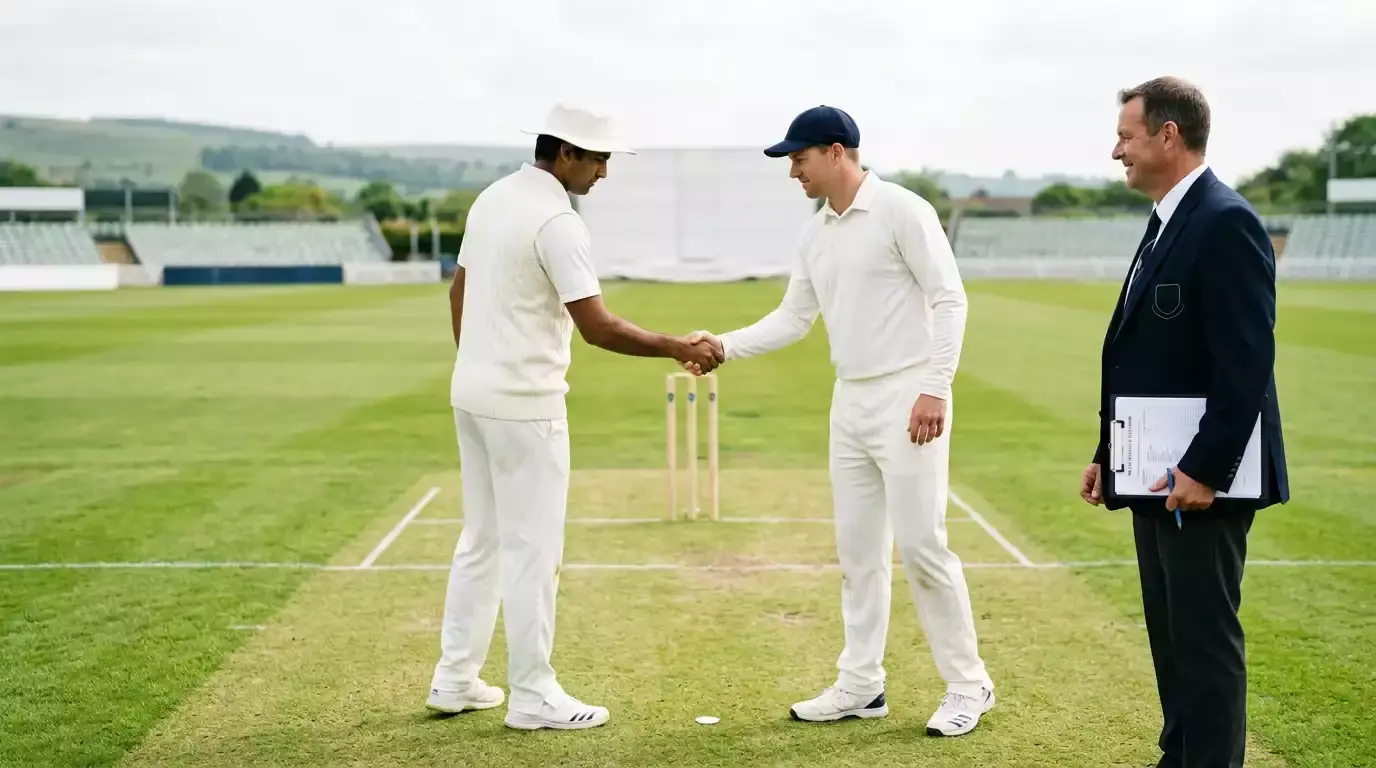
UK conditions skew the captain’s hand further. An English Test morning with cloud cover and a green-tinted surface is almost an automatic bowl-first. The Vitality Blast — played in the back half of the English summer when evenings cool and dew can settle — has captains regularly choosing to bowl first at venues like Edgbaston and Trent Bridge because the second-innings chase under lights is a known edge.
This matters for connected markets. The “toss winner and match winner” double is essentially priced on the assumption that the captain will make the “correct” decision. If you have a view that the captain might make the orthodox call against the evidence of the conditions — a Test captain at Headingley batting first because that’s what tradition demands, even though the green-top says otherwise — the double-market price is misaligned with reality, and that’s where toss-market edge actually lives.
Historical Win Rates by Venue When Winning the Toss
The cleanest data is in Test cricket, where matches have decades of records. The Wankhede in Mumbai shows a toss-winner advantage well above 60 percent across the modern era because the surface deteriorates so heavily by day four that batting first is almost decisive. Galle in Sri Lanka shows similar numbers for the same reason. The toss matters at venues where the pitch changes radically across the match.

In the UK the picture is more even. Lord’s, The Oval and Old Trafford all sit close to 50 percent for toss-winner wins across the last 20 years of Tests — these are surfaces that hold up across five days and don’t punish either side for batting order. Headingley is the outlier, with a noticeable toss-winner advantage in recent Tests because the green-top start makes the bowl-first decision particularly powerful for the first two sessions.
The limited-overs picture is murkier because there’s less data per venue and the captain decision is more conditional on weather. What I can say with confidence is that no UK venue shows the kind of structural toss advantage that you see in Mumbai, Galle or Dhaka. The British weather is too variable for a single decision to dictate matches the way it does on the subcontinent.
How the Toss Outcome Reprices First-Innings Totals
The toss-winner’s decision moves three connected markets within seconds. The first-innings total line shifts toward whichever side bats first — books typically nudge the total down by 10 to 15 runs if the team known to score quickly is bowling rather than batting. The match-winner market reprices based on the chasing-vs-defending split for the format. And the top-batsman market reshuffles, because opening batters from the side batting second can’t post a score for several hours, and any pricing model has to account for the time-weighted value of being in the first innings.
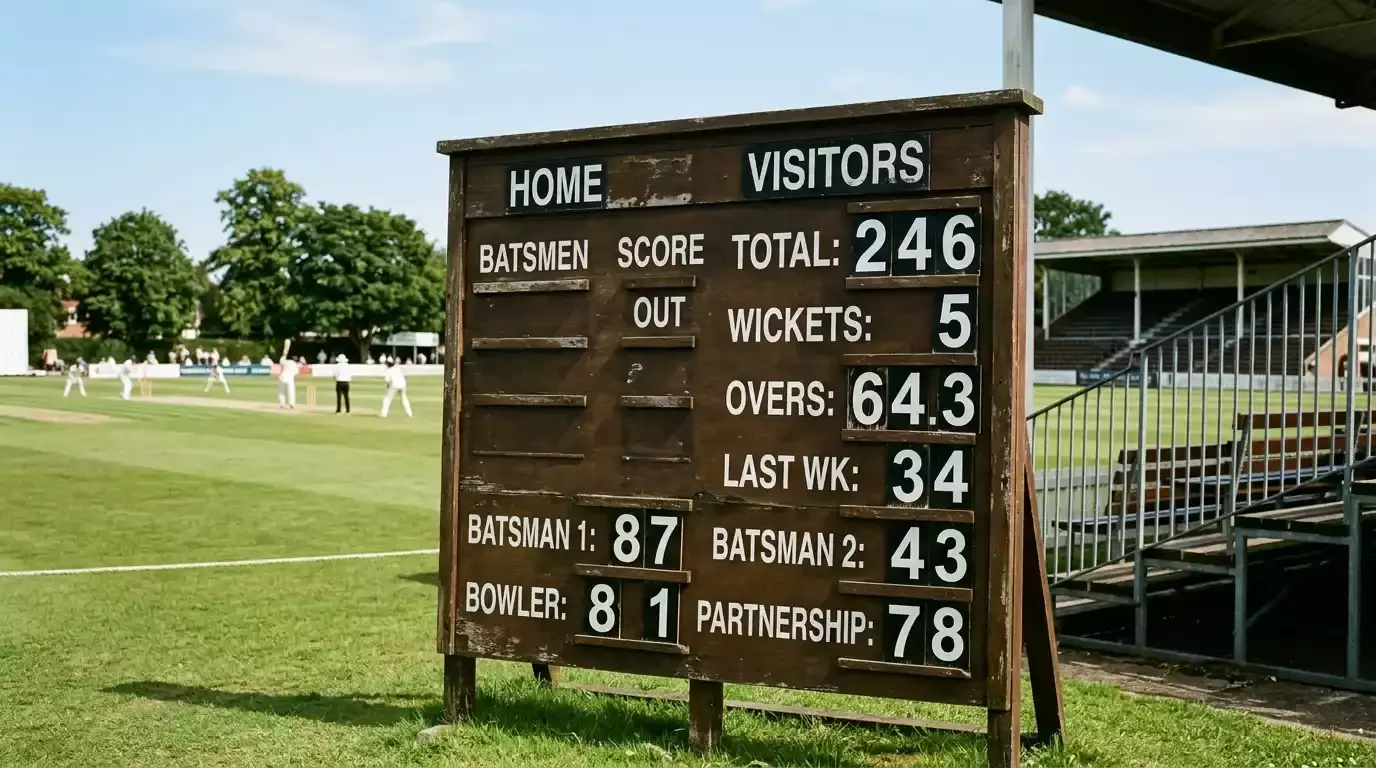
“We aim to provide the industry’s highest GGR for cricket, with over 7,000 pre-match and live matches a year,” Sportradar Odds describes its cricket coverage on the corporate page. That sheer volume — and the speed at which odds providers reprice — means the toss outcome is incorporated into every connected market within seconds of being announced. There is no meaningful window between toss and repricing for a casual punter to exploit. The edge, if it exists, has to sit upstream of the toss itself: in reading the captain’s likely choice before the captain has even shaken hands.
The toss feeds straight into the next big variable on any rain-affected day — and that variable is settlement under the DLS method when weather forces a recalculation.
