

Adjusting Match Totals Based on Pre-Match Pitch Reports
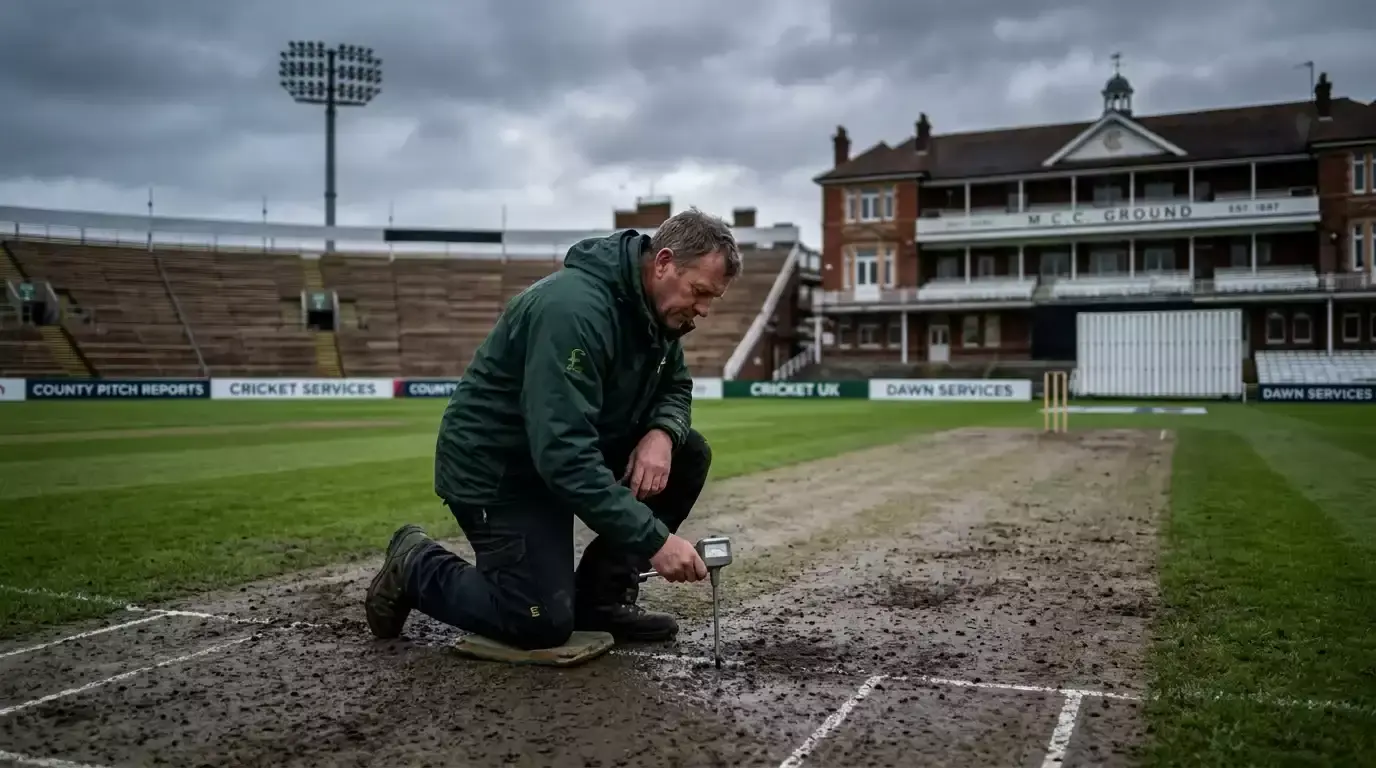
Eight in the morning on a Lord’s Test day, the toss is two hours off, and the totals line has already moved by 12 runs. Nobody has named a team. No injury has been confirmed. What happened is the groundsman peeled a corner of the covers back and the pitch-side reporter said the word “green”. That single word — and the colour it described — repriced the market faster than any line-up news ever could. A dry, spinning surface not only lowers the run total but also creates profitable opportunities in method of dismissal betting markets like LBW.
People underestimate how much pre-match information lives in the surface itself. The team sheet tells you who plays. The pitch tells you what they can do. Pitch reports change the implied probability on every total, top-batsman and method-of-dismissal market on the card, and they do it before a ball has been bowled. The Sportradar product page describes cricket as a sport that generates over 7,000 pre-match and live matches a year on their odds feed; the early hours of every single one of those days are dominated by pitch-and-weather repricing, not team news.
Pitch Types: Green-Top, Dust Bowl, Flat Deck, Two-Paced
I think of cricket pitches the way a sommelier thinks about soil. Four broad families cover almost everything you’ll see on a UK or international card, and each one has a betting fingerprint.
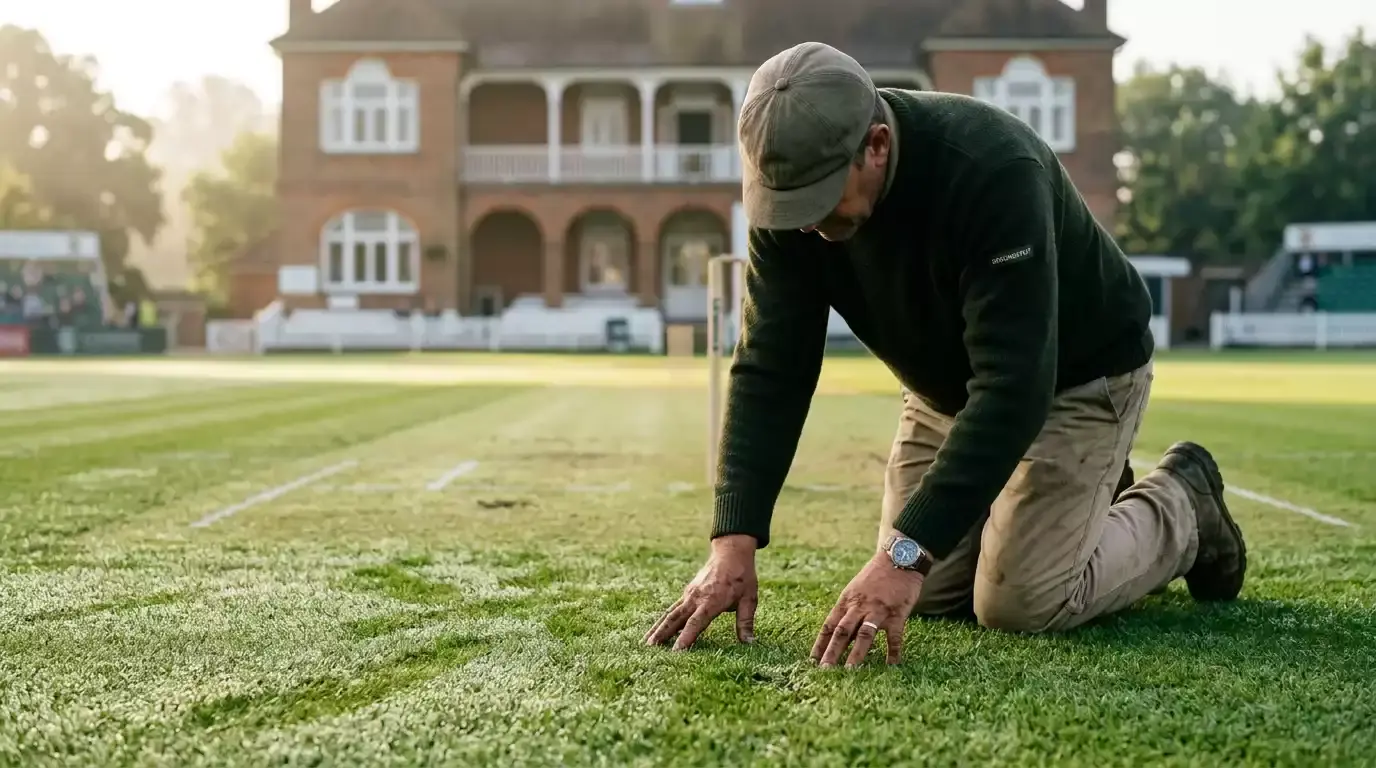
A green-top is a surface that hasn’t lost its grass cover. Visible green tinge, moisture under the surface, lively seam movement in the first session. Totals come down, top-bowler markets favour seamers over spinners by a wide margin, and the toss winner almost always chooses to bowl first. The classic UK examples are Headingley in early May and Trent Bridge in damp weather. If you see a green-top before a Test in Yorkshire and the totals line is still up at 320 for the first innings, the market is asleep.
A dust bowl is the opposite: bare, cracked, low-grass, sometimes with visible dry patches by toss. Spinners take over from day two onwards. In the UK we don’t really get true subcontinent-style dust bowls in red-ball cricket, but Edgbaston and The Oval in late August can produce surfaces dry enough to behave like cousins of one. Method-of-dismissal markets reprice toward LBW and caught-and-bowled. Top-batsman markets favour anyone who plays spin well, regardless of seasonal form.
A flat deck — sometimes called a road — has no real demons in either direction. Pace bowlers don’t get bounce, spinners don’t get turn, totals balloon. The first innings line tends to settle high and stay there. A two-paced pitch is the worst kind to read because some deliveries skid through low and others jump unpredictably. These produce volatile match-winner pricing because batters get out to balls that have nothing to do with form. The market struggles with two-paced surfaces because the data noise is high.
UK Venues: Lord’s, The Oval, Old Trafford, Edgbaston, Headingley
Each English ground has a personality. Lord’s slopes nine feet from the Grandstand end to the Tavern side, which gives swing bowlers a natural advantage on the slope-down side and means seamers from one end will outperform their counterparts from the other in almost every Test there. The Pavilion End historically delivers more nicks to slip; book this into your top-bowler reading for the morning session of any Lord’s Test.
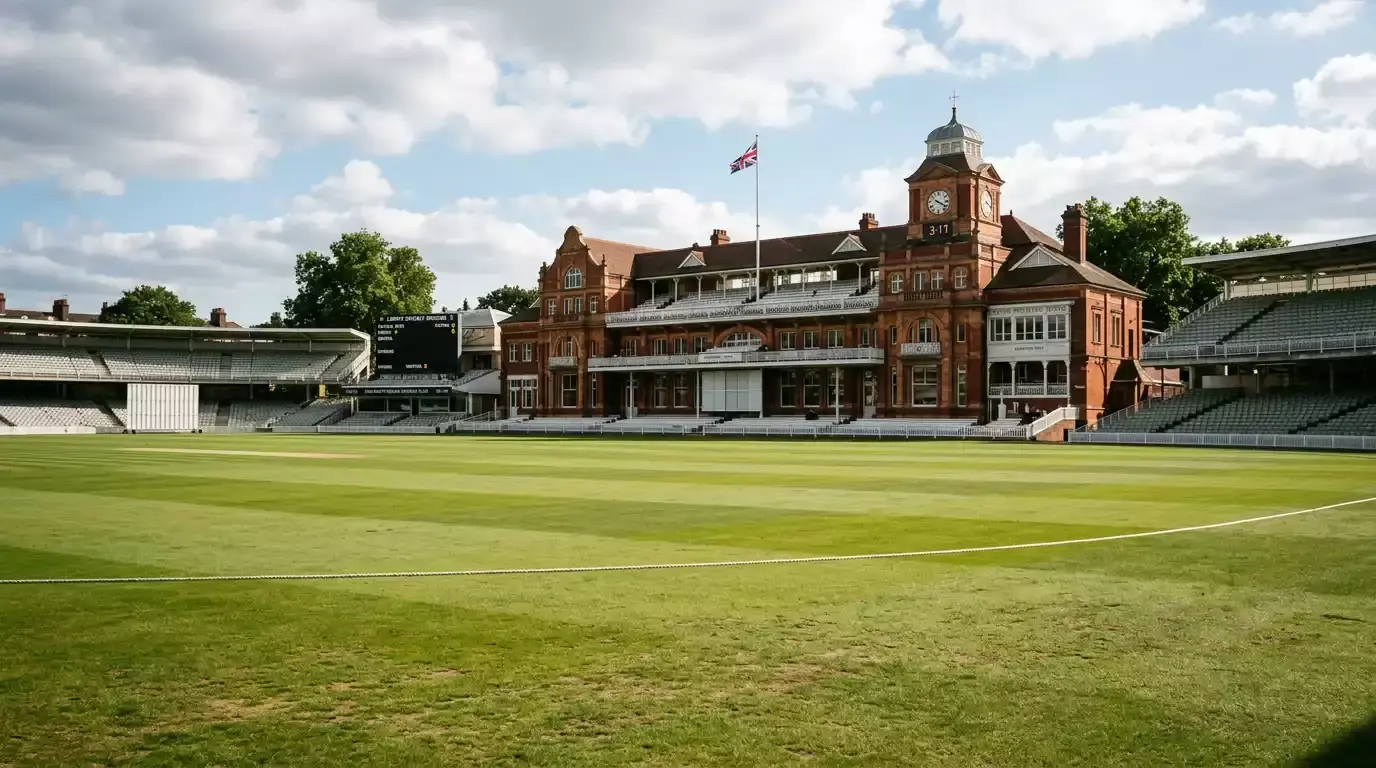
The Oval pitches have changed character in the last decade. They were once known as the flattest surface in the country, but since around 2018 the groundstaff have produced more variation, with some genuine seam movement in early-September Tests and a tendency for the deck to dry into a spinner-friendly state by day four. The toss matters less here than at Lord’s, because both bowling styles get something at different points of the match.
Old Trafford is the most predictable for punters who do their homework. Overhead conditions in Manchester drive everything — overcast skies and a touch of moisture in the air produce swing in the first two sessions, and that translates directly into seamers featuring in top-bowler markets. The pitch itself tends to be moderate-pace, with day-three turn for finger-spinners.
Edgbaston is the home of high totals when the sun’s out and rapid collapses when the cloud rolls in. Lateral movement in Birmingham is correlated with overhead conditions more than pitch condition; I’ve seen the same surface yield 450 and then 150 inside three days because the weather shifted. Headingley is the green-top king: lateral seam, bounce, surface moisture for the first two days, then a flat second-innings pitch that lets a chase be set. Almost every famous Headingley chase has the same backdrop — green surface that flattens out.
Weather Forecasts and Their Impact on the Toss Market
The toss market is not a coin flip when the forecast is doing the talking. In the UK, the toss winner chooses to bowl first far more often than the league average for cricket worldwide, because overcast conditions favour the team chasing seam and swing. A captain who wins the toss under a thick cloud cover at Trent Bridge is almost certainly bowling. That single fact reprices the “who bats first” market away from the “who wins the toss” market in interesting ways.
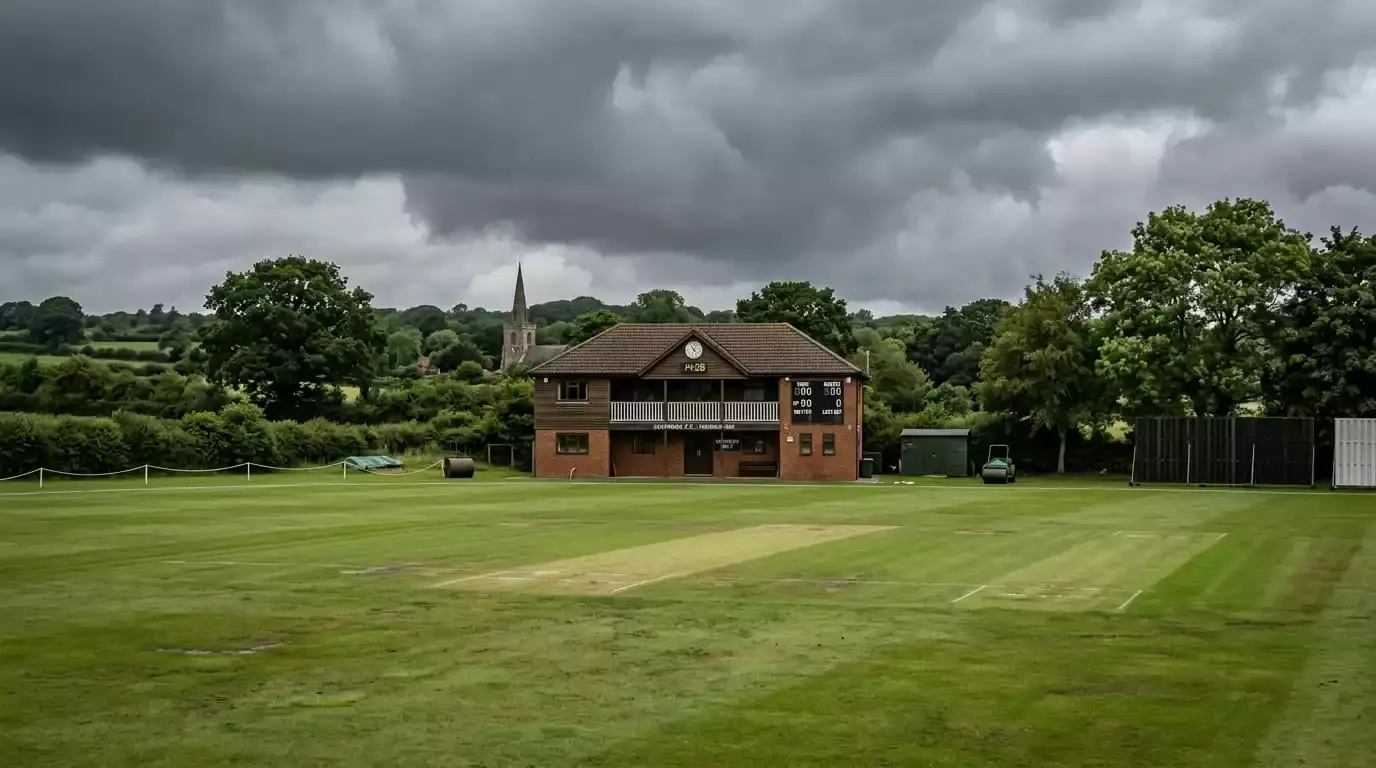
Weather forecasting for cricket needs more granularity than the standard BBC five-day. I look at hour-by-hour cloud cover, dew-point gap, and humidity for the start of play, lunch and tea, because the same day can produce three completely different bowling environments. If the morning is overcast and the afternoon clear, the new ball under cloud is going to do more than the second new ball in sunshine, and that affects top-bowler markets that pay out on whoever takes the most wickets in the innings as a whole.
The Dew Factor in Day-Night Cricket
Dew is the single most under-priced variable in day-night limited-overs cricket. The principle is simple: as evening cools, moisture settles on the outfield and the ball. A wet ball doesn’t grip the surface for spinners, doesn’t swing for seamers, and slides on to the bat for batters. The chasing side has a measurable advantage almost everywhere dew shows up — UAE, parts of Australia, day-night Tests at Edgbaston.

In the UK, dew matters most in late-September limited-overs games and in any day-night Test. The Hundred has touched on day-night fixtures in recent seasons, and Vitality Blast finals at Edgbaston in mid-September are routinely played into evening sessions where dew shows up around the 14th over of the second innings. The toss market, the match-winner market, and the total runs in the second innings market all reprice off the dew expectation. The mistake punters make is treating “dew advantage to chasers” as a binary on/off. It isn’t. Dew arrives on a curve, and how steep that curve is depends on the cooling rate, the cloud cover at sunset, and how much grass the outfield has been left with.
Pitch Deterioration in Test Cricket: How the Surface Changes by Day Three
The single most important thing I look for in a Test market is whether the pitch is going to deteriorate before the match ends. A surface that holds together for five days produces draws, big second-innings totals and weighty top-batsman markets. A surface that breaks up by day three produces innings victories, low totals, and method-of-dismissal markets that lean hard toward LBW and bowled.
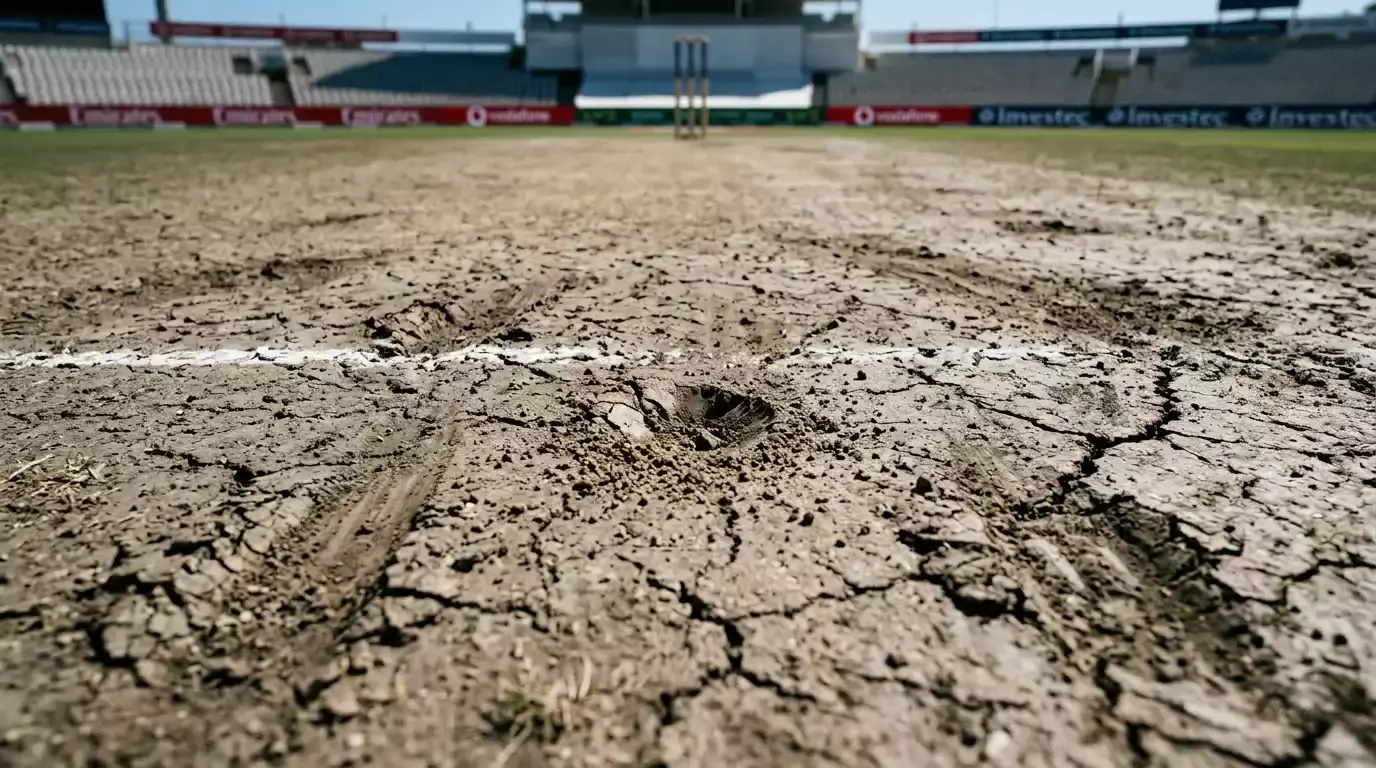
Deterioration is driven by three things: original moisture content, weather across the match, and the bowling load on cracks. A green-top that dries out by day three becomes a spinner’s surface — the seam-friendly start mutates into something that turns square. A flat road that stays flat through four innings is a draw machine. Watch the over-by-over telecast on day three and look for foot-mark damage in front of the right-hander’s off-stump; if the rough is opening up, the spinner market for the second innings is repricing whether the book has caught up or not.
The series-winner markets on long Test series — the Ashes, ICC events, big home tours — also pay attention to deterioration patterns across the venues. If three of the five Tests are at grounds known to break up, the away side’s spinner options become a series-long edge, not a single-Test one. Always check the morning weather updates on the top UK cricket betting portal before finalizing your match predictions.
The pitch report sets up the first decision of the match, and that decision feeds straight into the toss. I go deeper on the toss itself in my piece on the cricket toss market and its real expected value.
